Does water help with hunger?
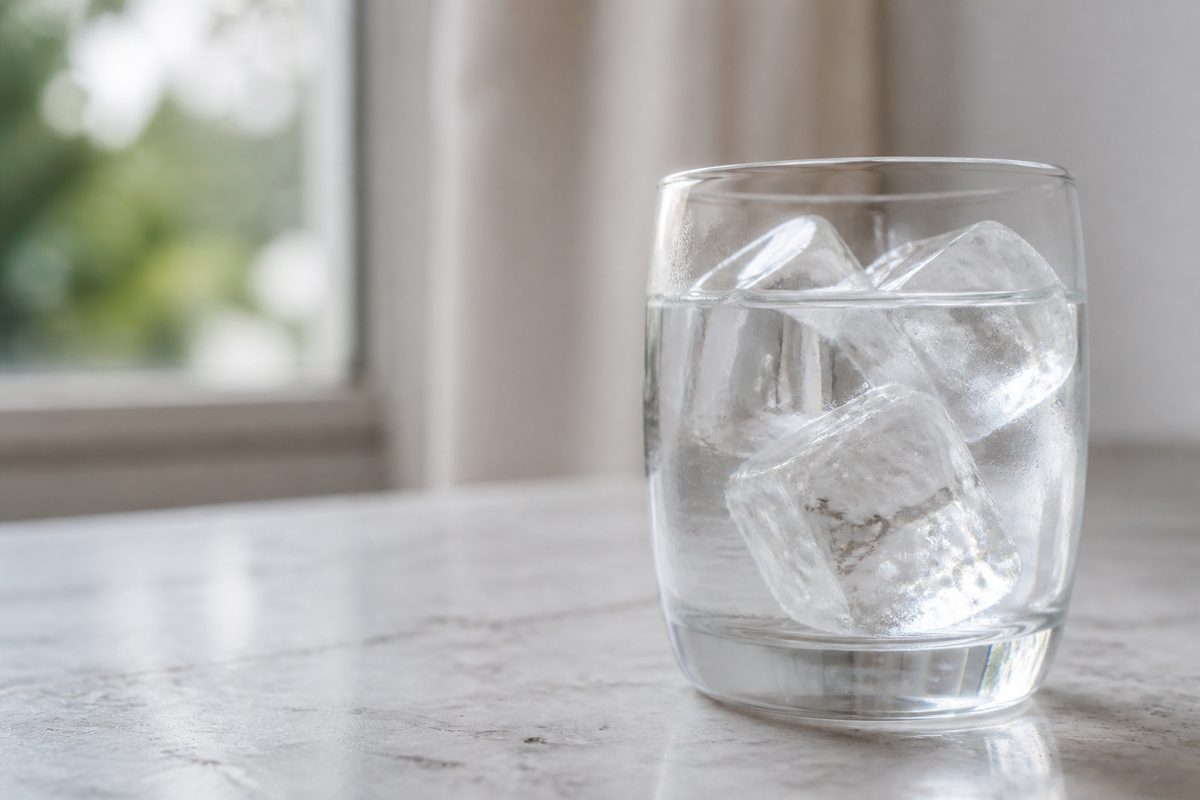
Yes — water can sit with less hunger for some people. Among foods and drinks linked to hunger in Eat Smart Kiwi community data, water ranks #9 — and the direction is that water helps.
That is a real community rank from about 500 diaries, not a proven appetite-suppressant drug. Eat Smart Kiwi scores hunger in the eight hours after a drink. A glass of water leaves the stomach much faster than that. So the diary is not measuring a balloon that stays full all afternoon.
Water is logged separately from hot water, sparkling water, tea, and coffee. A glass with lunch is a different experiment from chugging on an empty stomach, or swapping a juice for water.
Why water might help
A preload before a meal can trim the next plate — in some groups, not all. Older adults (60–80) who drank 375–500 mL of water 30 minutes before an all-you-can-eat lunch ate less than on a no-water day. Younger adults (21–35) in the same protocol did not. Fullness ratings rose after the water in everyone; only the older group ate fewer calories.[1]
On a 12-week weight-loss diet, middle-aged and older adults told to drink 500 mL of water before meals lost a bit more weight than the same diet without that instruction. That is a diet plus a water habit in people already cutting calories, not a glass that melts hunger by itself.[2]
Water in food is not the same as water beside food. In lean women, extra water cooked into a chicken-and-rice casserole (a soup-like dish) cut energy intake at that meal. The same amount of water served as a drink with a denser casserole did not.[3] Porridge, soup, and stew are meals. They are not proof that sipping water between meals works the same way.
Thirst and hunger are not a tidy swap. Hourly ratings over a week show hunger rising around mealtimes, while thirst stays higher and flatter through the day. Most fluid is drunk with food, and a lot of it is energy drinks — juice, soft drink, milky coffee — not plain water.[4] So the useful test is often “plain water versus a caloric drink,” not “you were never hungry, only thirsty.”
Gastric stretch from a water load is real and short-lived. It does not explain an eight-hour hunger score. Possible everyday reasons the pair shows up include replacing a sugary drink, drinking water with a meal, feeling less dry and less “empty,” or logging water on days you also ate. Coffee ranks #1 for worsening hunger in this community, often as a breakfast stand-in. Milk ranks higher than water for helping — it has protein and calories. Water has neither.
Water and anxiety or depression are separate pairs.
Do not force large volumes if you have heart or kidney disease or fluid-restriction advice. Sudden extra thirst with extra hunger still needs a doctor.
Who is most likely to notice a benefit
- Older adults using a pre-meal glass — that is the group that ate less in the lunch trial.[1]
- People on a weight-loss diet who add water before meals — extra water sat with more loss over 12 weeks in one trial; it is an add-on, not a diet.[2]
- Anyone swapping juice, soft drink, or a sweet coffee for plain water — you remove calories; that is not stomach stretch.[4]
- Younger adults hoping a glass will shrink lunch — the clearer age comparison found no meal-intake drop.[1]
- People who need staying power — milk or food with water is a different experiment from water alone.
What you can try
- If you test a preload, use a real glass before food — about 375–500 mL, 30 minutes before a meal, is what the lunch study used; a few sips is not that test.[1]
- Swap the drink, not the meal — water instead of juice or a sugary coffee is a cleaner calorie contrast than water instead of lunch.[4]
- Compare soup or porridge with a dry plate plus a glass — water in the food was the filling version in the casserole study.[3]
- Do not skip breakfast and call water a meal — that pattern is closer to coffee-as-breakfast than to the preload trials.
- Compare in your tracker — water versus a dry day, versus coffee, versus milk, and with versus without food, shows whether your pattern matches the community trend.
Eat Smart Kiwi community data
Among foods linked to hunger in Eat Smart Kiwi community data, water ranks #9 — and the direction is that water helps. Water and hunger also ranks #79 among all food–symptom pairs tracked in the app — a lower mid-table overall rank, not a top pair across the whole food–symptom list.
The pattern is most often seen within about 8 hours of drinking water, based on aggregated diary data from about 500 users. These are real-world logging patterns among people tracking food and how they feel; they are not a clinical trial and do not prove water reduced hunger in every case — but they are a useful community signal, even though a glass does not sit in the stomach for eight hours.
Why tracking helps you
A preload before lunch, a glass with a meal, a swap from juice, and water instead of breakfast are four different experiments. Logging which one you did next to hunger scores shows whether your pattern is stretch, calories you did not drink, or simply having eaten.
If you want to see whether water or the rest of the meal is easing your hunger, try logging in the Eat Smart Kiwi food and symptom tracker.
Summary
Water often sits with less hunger in Eat Smart Kiwi tracking, and it ranks #9 among foods for that symptom. Pre-meal water can cut lunch calories in older adults and may aid a diet; it did not shrink the meal in younger adults in the same protocol. Water cooked into food fills more than water beside the plate. A glass is not an eight-hour appetite drug. Plain water instead of a sugary drink, food when you are actually hungry, and your own diary are practical next steps.
This article is for general information only and is not medical advice. See a doctor for unexplained appetite change, or sudden extra thirst. Check before large extra fluid loads if you have heart or kidney disease or have been told to restrict fluid.