Does water help with depression?
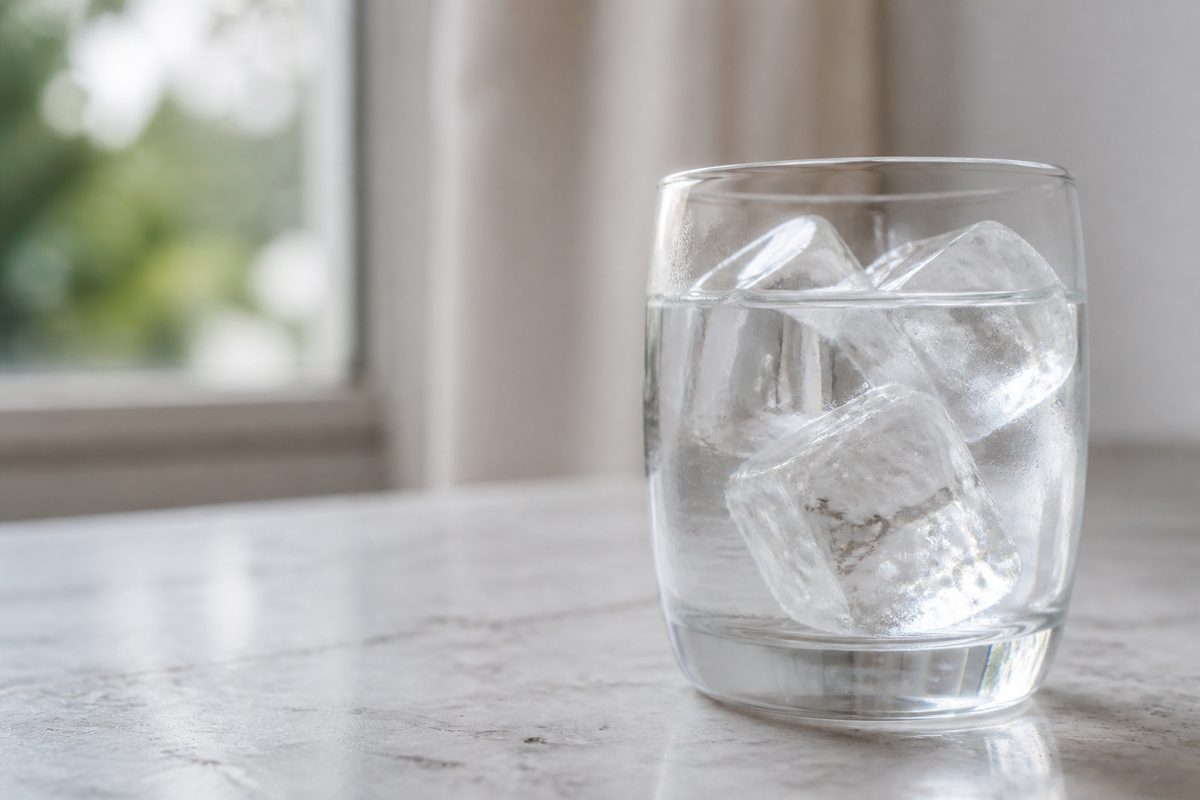
Yes — drinking water can sit with lower depression scores for some people. Among foods and drinks linked to depression in Eat Smart Kiwi community data, water ranks #1 — and the direction is that water helps.
Water is not a treatment for depression. It does not replace a GP, therapy, or prescribed medicine. Mild dehydration can worsen mood in experiments, and people who drink very little plain water more often screen positive for depression in surveys — that is not the same as a glass curing a depressive episode.
For jitters and tension, see does water help with anxiety?.
Why drinking water may help
When healthy adults lose about 1–2% of body mass in water (mild dehydration, without overheating), mood ratings worsen: more tension and fatigue, poorer concentration, and in women more headache. Those trials used walking plus, in some arms, a diuretic, then compared that with the same exercise while drinking enough to hold weight. They measured short-term mood, not a clinical depression diagnosis.[1][2]
A survey of 3,327 Iranian adults compared people who drank fewer than two glasses of plain water a day with those who drank five or more. After other lifestyle factors were allowed for, the low-intake group still had higher odds of depression on a hospital anxiety-and-depression scale (odds ratio about 1.8). The same adjusted model was not statistically significant for anxiety. In that adjusted split, the depression link was a bit stronger in men than in women. The authors said this needs prospective studies and trials — they did not show that pouring more water treats depression.[3]
Cross-sectional surveys cannot tell you which way the arrow points. People who drink more water may also sleep, eat, and move differently. People who are already depressed may drink less. Eat Smart Kiwi diaries log water and mood in about eight hours; the survey asked about habitual glasses per day. Both can be true: some users feel a bit better after they drink, and very low habitual intake sits with worse depression scores in a snapshot.
Papers about water insecurity — not having reliable, safe water for drinking and hygiene — are a different problem. Household water shortage and shame around washing are real mental-health stresses. They do not explain a logged glass of tap water in New Zealand.
Do not force large volumes if you have heart or kidney disease or fluid-restriction advice. Water does not “flush toxins from the brain.”
Who is most likely to notice a benefit
- People who often drink little water — topping up from a very low baseline is the comparison that matches the survey.[3]
- After heat, exercise, or a busy dry day — closer to the mild-dehydration experiments.[1][2]
- Anyone logging low mood with coffee, alcohol, and little water — your diary shows whether a drink of water sits with better scores.
- People with depression — water may still help you feel physically better; it does not replace treatment.
What you can try
- Sip through the day — steady intake is closer to staying hydrated than waiting until you are very thirsty, then chugging.[1][2]
- Use plain water as the main fluid — that is what the survey counted, not sugary drinks.[3]
- Drink around activity — if you walk, work in heat, or skip drinks for hours, that is when mood ratings shifted in the lab.[1][2]
- Compare in your tracker — a dry day versus a well-watered day shows whether your mood pattern matches the community trend.
There is no proven “five glasses treats depression” dose. The survey used those categories as a comparison, not a prescription.[3]
Eat Smart Kiwi community data
Among foods linked to depression in Eat Smart Kiwi community data, water ranks #1 — and the direction is that water helps. Water and depression also ranks #75 among all food–symptom pairs tracked in the app — a lower mid-table overall rank, not a top pair across the whole food–symptom list.
The pattern is most often seen within about 8 hours of drinking water, based on aggregated diary data from about 600 users. These are real-world logging patterns among people tracking food, drink, and how they feel; they are not a clinical trial and do not prove water reduced depression in every case — but they line up with mild dehydration making mood worse, and with very low water intake sitting with worse depression scores in a large survey.
Why tracking helps you
A glass with breakfast is not the same as sipping through a hot afternoon, and a low-mood day is not the same as a depressive disorder. Logging when you drank water next to depression scores shows whether your pattern matches the community trend — and whether sleep, activity, or treatment are doing more of the work.
If you want to see whether water or the rest of the day is easing your mood, try logging in the Eat Smart Kiwi food and symptom tracker.
Summary
Drinking water often sits with better depression scores in Eat Smart Kiwi tracking, and it ranks #1 among drinks and foods for that symptom. Mild dehydration can worsen mood in experiments; a large survey linked drinking very little plain water with higher depression scores after other habits were allowed for. That is not a trial of water as an antidepressant. Steady plain water if you currently drink little, usual mental-health care, and your own diary are practical next steps.
This article is for general information only and is not medical advice. See a doctor or mental health professional for depression. If you feel unsafe or have thoughts of harming yourself, seek urgent help. Check with a clinician before changing fluid intake if you have heart or kidney disease or have been told to restrict fluids.