Does water help with anxiety?
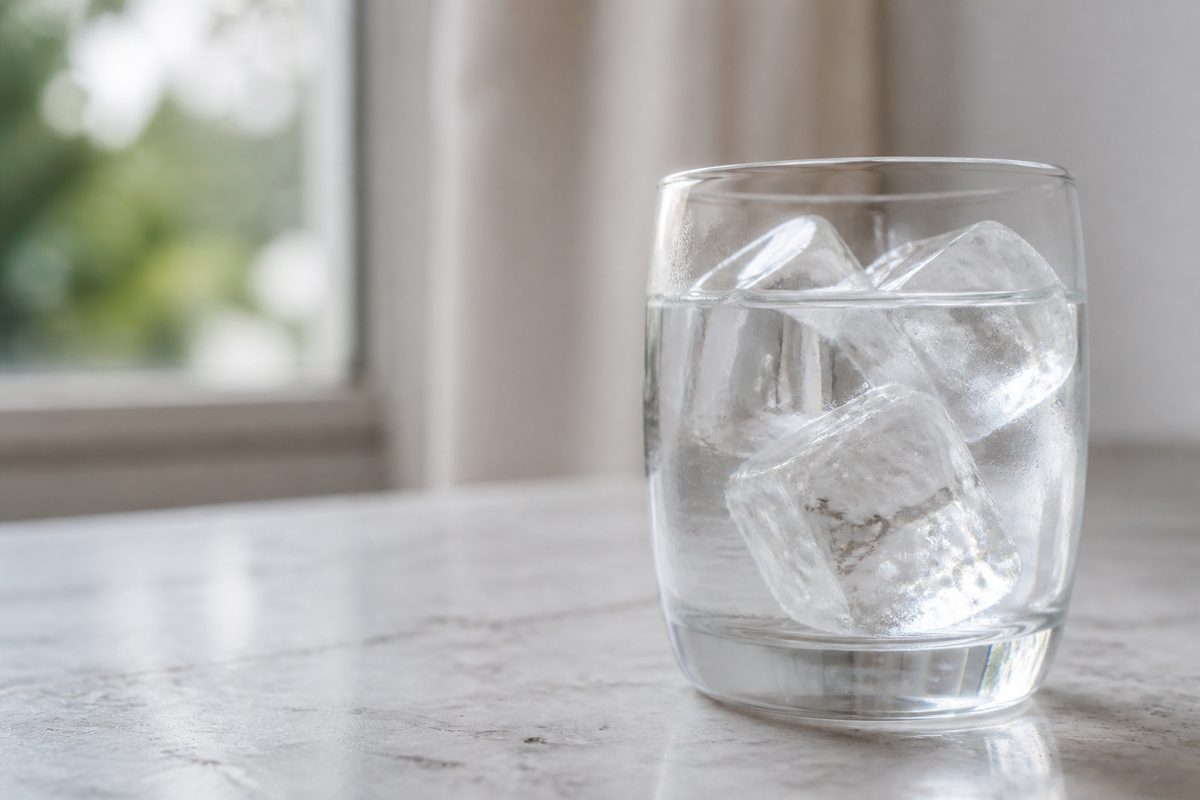
Yes — drinking water can help with anxiety. Among foods and drinks linked to anxiety in Eat Smart Kiwi community data, water ranks #1 — and the direction is that water helps.[1]
Water is not a treatment for an anxiety disorder. It is a simple habit that often sits with calmer scores in diaries, and mild dehydration can make tension and anxiety ratings worse in experiments.
Why drinking water may help
When healthy adults lose about 1–2% of body mass in water (mild dehydration, without overheating), tension/anxiety and fatigue ratings rise compared with staying hydrated. That showed up in men at rest, and women had worse overall mood, more headache, and more trouble concentrating when mildly dehydrated.[1][2]
Those trials used walking plus, in some arms, a diuretic to produce the water loss, then compared that with the same exercise while drinking enough to hold weight. They are not the same as treating panic or generalised anxiety with a glass of water — they do show that running a bit dry can make you feel more tense.
A large survey in Iranian adults found people who drank fewer than two glasses of plain water a day had higher crude rates of anxiety and depression than people who drank five or more. After other lifestyle factors were accounted for, the link stayed clear for depression but was not statistically significant for anxiety.[3] So “drink more water, less anxiety” is not proven as a population rule — it is an unadjusted pattern that may partly reflect other healthy habits.
Do not force large volumes if you have heart or kidney disease or fluid-restriction advice.
Who is most likely to notice a benefit
- People who often drink little water — topping up from a very low baseline is the comparison that makes most sense.[3]
- After heat, exercise, or a busy dry day — that is closer to the mild-dehydration experiments.[1][2]
- Anyone logging jitters with coffee or alcohol and little water — your diary shows whether a drink of water sits with calmer scores.
- People with an anxiety disorder — water may still help you feel physically better; it does not replace therapy or prescribed medicine.
What you can try
- Sip through the day — steady intake is closer to staying euhydrated than waiting until you are very thirsty, then chugging.[1][2]
- Use water, not sugary drinks, as the main fluid — that is what the survey counted as plain water.[3]
- Drink around activity — if you walk, work in heat, or skip drinks for hours, that is when mood ratings shifted in the lab.[1][2]
- Compare in your tracker — water versus a dry day, or versus extra coffee, shows whether your anxiety pattern matches the community trend.
Eat Smart Kiwi community data
Among foods linked to anxiety in Eat Smart Kiwi community data, water ranks #1 — and the direction is that water helps. Water and anxiety also ranks #38 among all food–symptom pairs tracked in the app.
The pattern is most often seen within about 8 hours of drinking water, based on aggregated diary data from about 1,000 users. These are real-world logging patterns among people tracking food, drink, and how they feel; they are not a clinical trial and do not prove water reduced anxiety in every case — but they line up with mild dehydration making tension worse, and with topping up fluid as a simple useful habit.
Why tracking helps you
A glass with breakfast is not the same as sipping through a hot afternoon, and everyday jitters are not the same as an anxiety disorder. Logging when you drank water next to anxiety scores shows whether your pattern matches the community trend — and whether sleep, caffeine, or treatment are doing more of the work.
Summary
Drinking water often helps with anxiety in Eat Smart Kiwi tracking. Mild dehydration can raise tension and anxiety ratings in experiments; a large survey linked low water intake more clearly with depression than with anxiety after other factors were allowed for. Steady plain water, especially if you currently drink little, and your own diary are practical next steps — not a substitute for mental-health care.
Track food and symptoms with Eat Smart Kiwi.
This article provides general information and is not intended as medical advice. Consult a healthcare professional for persistent anxiety, and before changing fluid intake if you have heart or kidney disease or have been told to restrict fluids.