Does water help with congestion?
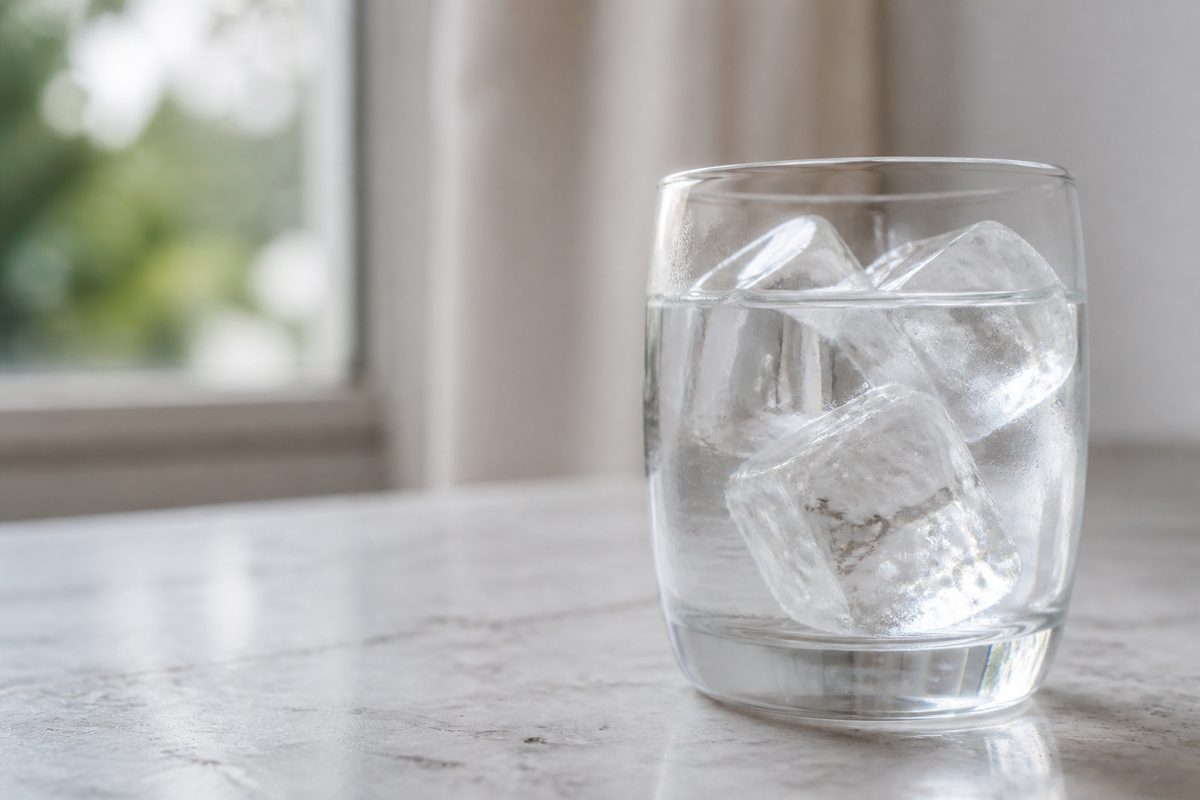
Yes — drinking water can sit with less congestion for some people. Among foods and drinks linked to congestion in Eat Smart Kiwi community data, water ranks #4 — and the direction is that water helps.
That is a high community rank among congestion foods, from about 300 diaries. It is not a proven decongestant, and it is not the same as a saline rinse or a steam inhalation.
Why water might help
Doctors often tell people with a cold or sinusitis to drink extra fluid. The usual story is that hydration keeps mucus thinner so it is easier to clear. A Cochrane review found no randomised trials testing that advice. There is currently no clinical-trial evidence for or against extra drinks as a treatment for acute respiratory infections. The mucus-thinning idea remains a theory, not a measured result.[1]
So the honest picture is: Eat Smart Kiwi users who log water often report a quieter blocked nose in the following hours, and the “drink more, thinner snot” mechanism has not been proven.
A small lab study of people with a cold or flu found that sipping a hot fruit drink improved how open the nose felt, without changing measured nasal airflow. The same drink at room temperature still eased runny nose, cough, and sneezing scores, but the hot cup covered more symptoms. That was a tasty fruit drink over about 30 minutes, not a glass of water scored across eight hours.[2]
Water is logged separately from hot water, tea, and coffee. Steam from a mug, a herbal tea, and a cold glass are different experiments. Blueberries and apple also rank among foods that sit with less congestion in this community; watery fruit is not the same log as a drink of water.
Milk is a different question. Milk and a runny nose is the pair to read if you have been told dairy makes mucus. Clinical work does not show extra nasal secretions from milk during a cold. Dropping dairy “just in case” is not a water protocol.
A glass of water is not a pharmaceutical decongestant. Persistent congestion, facial pain, fever, or allergy that needs medicine still needs a doctor, not another litre. Do not force large volumes if you have heart or kidney disease, or fluid-restriction advice — especially with a lower-chest infection, where extra fluid has theoretical risks that have not been settled in trials.[1]
Who is most likely to notice a benefit
- People who currently drink little water — topping up from a dry day is a more plausible change than an extra glass on top of an already high intake.
- Anyone with a cold who is also resting and using other simple care — the diary cannot split the water from the rest of the afternoon.
- People hoping a cold glass will open the nose like a spray — measured airflow did not change even after a hot fruit drink.[2]
- Anyone with hay fever or a sinus infection — community logs mix these; water is not a substitute for antihistamines, saline, or medical care.
What you can try
- Sip ordinary water — that is what the diaries measure, not a research “extra fluids” protocol that has never been trialled.[1]
- Compare water with a hot drink — heat and steam are a different experiment from a cold glass; log hot water separately if you use it.[2]
- Do not treat drinking as a nasal rinse — washing the nose with saline is local; swallowing water is not.
- Keep milk as a separate test — if creamy drinks feel coating, that is the runny-nose story, not proof that water is a mucus thinner.
- Compare in your tracker — a stuffy day with versus without much water, and whether you also had fruit, tea, or a cold, shows whether your pattern matches the community trend.
Eat Smart Kiwi community data
Among foods linked to congestion in Eat Smart Kiwi community data, water ranks #4 — and the direction is that water helps. Water and congestion also ranks #84 among all food–symptom pairs tracked in the app — a lower mid-table overall rank, not a top pair across the whole food–symptom list.
The pattern is most often seen within about 8 hours of drinking water, based on aggregated diary data from about 300 users. These are real-world logging patterns among people tracking food and how they feel; they are not a clinical trial and do not prove water reduced congestion in every case — but they are the strongest evidence we have for this specific pair.
Why tracking helps you
A cold, hay fever, and a sinus infection are not the same, and a cold glass is not a steaming mug. Logging when you drank water next to congestion scores shows whether your pattern is the water, the rest, or something you ate with it.
If you want to see whether water or the rest of the day is easing your congestion, try logging in the Eat Smart Kiwi food and symptom tracker.
Summary
Water ranks #4 among Eat Smart Kiwi foods linked to less congestion. Extra fluid for a cold is common advice, but there is no randomised trial of it. A hot fruit drink can make the nose feel clearer without changing measured airflow. Ordinary sipping if you are dry, saline if you need a rinse, and your own diary are practical next steps.
This article is for general information only and is not medical advice. See a doctor if congestion is severe, lasts more than a week or two, or comes with fever, facial pain, wheeze, or suspected allergy. Check before large extra fluid loads if you have heart or kidney disease or have been told to restrict fluid.