Does chicken help with hunger?
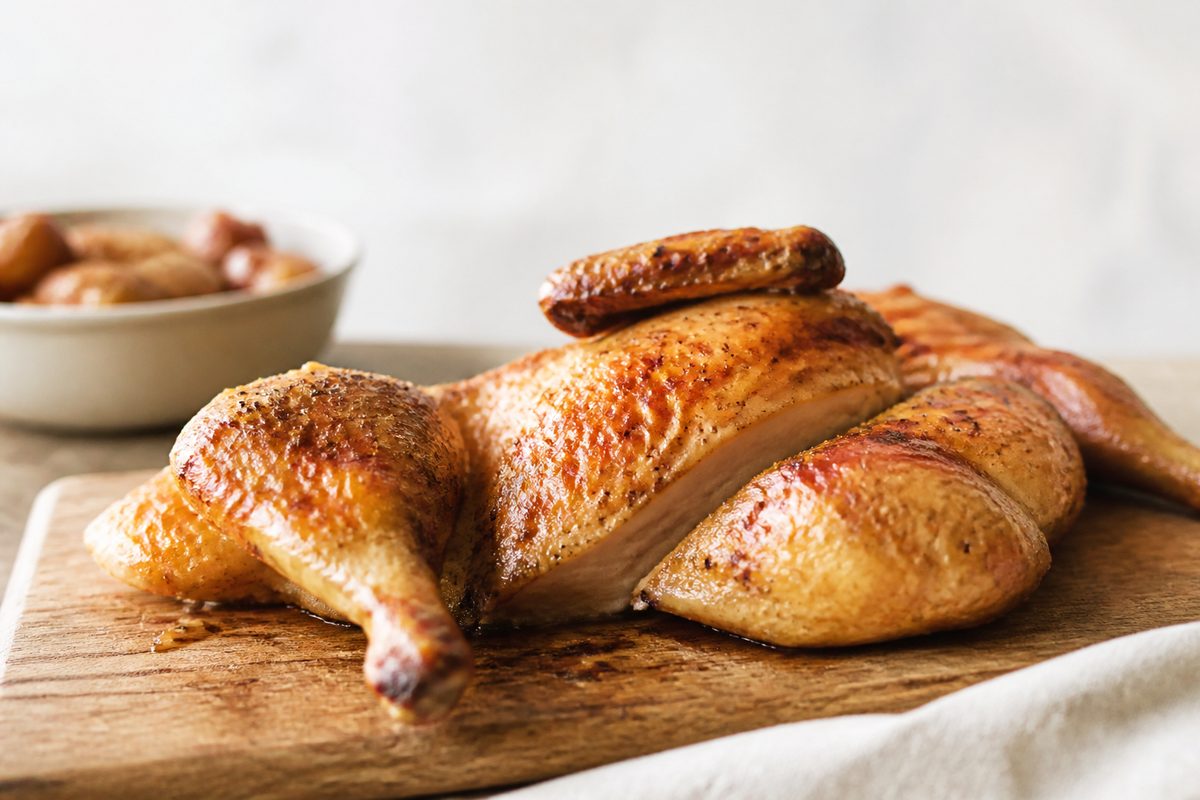
Yes — chicken can help reduce hunger. It is a high-protein meat, and protein-rich meals typically feel more filling than a low-protein, refined-carb plate. Among foods linked to hunger in Eat Smart Kiwi community data, chicken ranks #7 — and the direction is that chicken helps.[1]
That is a solid community rank from a modest group of diaries, not a unique chicken superpower. A grilled breast is a different experiment from crumbed nuggets, a fried takeaway, or chicken drowning in a sweet sauce.
Why chicken can help with hunger
Protein is the main pathway. Higher-protein meals tend to raise fullness compared with lower-protein meals. Reviews of this work describe a modest satiety effect — people often feel fuller — without a reliable drop in calories at the very next eating occasion in short feeding trials. A practical target in that literature is about 25–30 g of protein in a meal, which a typical chicken-breast serve can reach.[1]
Chicken is not the only food that does this. Eggs, cheese, fish, and yoghurt are also protein-dense. In a small crossover of lean men, meals matched at 50 g of protein from beef, chicken, or fish all supplied a large protein load; fish left people more satiated than beef or chicken. So chicken can fill you — it did not beat the other meats in that comparison, and the study had only six people.[2]
How you cook it changes the meal. A poached or grilled breast is mostly protein. Skin-on thighs, fried chicken, and crumbed nuggets add fat, batter, and salt. Extra fat can make a plate last longer; it is also more energy, and a heavy fried serve is not the same “chicken” as leftovers on a salad.
What sits next to the chicken matters too. Vegetables and beans add bulk. A huge bun, chips, and a sugary drink can undo the staying power of the meat.
Who is most likely to notice a benefit
- People swapping a low-protein snack or carb-only plate — chicken for lunch instead of a sandwich with little filling is the comparison that matches protein satiety research.[1]
- Anyone hungry again within a few hours — the Eat Smart Kiwi pattern is most often seen within about 3 hours.
- People spreading protein through the day — one huge dinner serve is a different pattern from a moderate portion at lunch as well.[1]
- Individual responders — some still feel hungry soon after; fish or eggs may fill you more. Your diary decides.[2]
What you can try
- Use a proper serve — a palm-sized piece of chicken is closer to the 25–30 g protein zone than a few shreds on a salad.[1]
- Grill, bake, or poach — a useful contrast with fried or crumbed chicken if you want protein without a heavy batter.
- Pair with vegetables — bulk on the plate can help the meal last; the protein is still doing most of the filling work.[1]
- Compare meats if you eat them — chicken versus fish versus a cheese or egg meal shows whether your hunger matches the small meat-comparison study.[2]
- Watch the rest of the plate — nuggets, chips, and sweet chilli sauce are a different experiment from plain chicken.
You do not have to eat chicken every day. Finding the portion and cooking method you actually stay full on is the practical goal.
Eat Smart Kiwi community data
Among foods linked to hunger in Eat Smart Kiwi community data, chicken ranks #7 — and the direction is that chicken helps (users tend to feel less hungry). Chicken and hunger also ranks #51 among all food–symptom pairs tracked in the app.
The pattern is most often seen within about 3 hours of eating chicken, based on aggregated diary data from about 300 users. These are real-world logging patterns among people tracking food and how they feel; they are not a clinical trial and do not prove chicken reduced hunger in every case — but they line up with satiety research on protein-rich meals.
Why tracking helps you
Grilled breast versus fried takeaway, a small shred versus a proper serve, and chicken on its own versus chicken with chips all change how long fullness lasts. Logging how you cooked it and how much you ate next to hunger scores shows whether your pattern matches the community trend.
If you want to see which protein foods keep you full, try logging meals in the Eat Smart Kiwi food and symptom tracker.
Summary
Chicken often helps with hunger because it is a convenient way to hit a filling protein serve — and it ranks among Eat Smart Kiwi users for easing hunger. It is not proven to beat fish or other protein foods. A proper portion, simpler cooking, and your own diary are practical next steps.
This article is for general information only and is not medical advice. If appetite change is severe, unexplained, or tied to weight loss you did not plan, see a doctor.