Does cheese help with hunger?
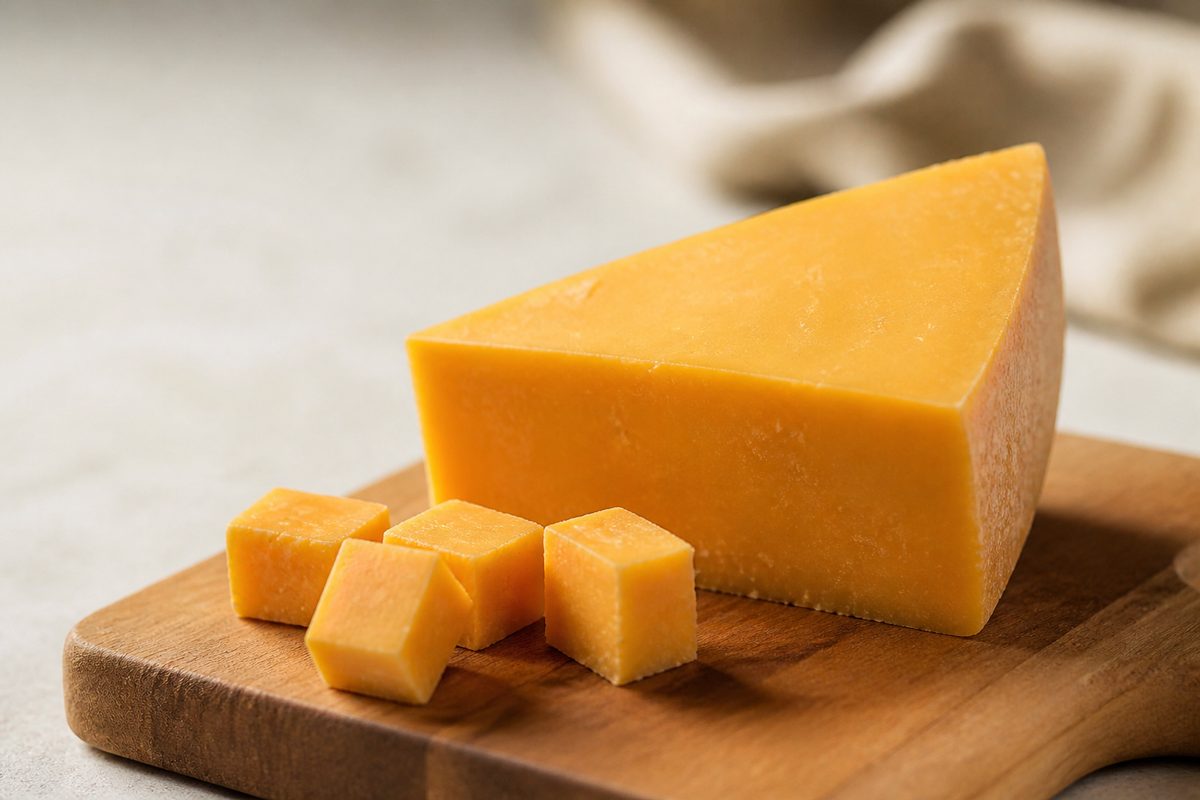
If you want a snack that actually keeps you going until the next meal, cheese is often a strong option. Protein-rich cheeses — especially cottage cheese in research snacks — can increase satiety (fullness) and help blunt hunger. That effect is driven mainly by cheese’s protein and fat.[1]
Why cheese helps with hunger
Studies comparing protein-and-fat snacks show cheese can be highly effective at keeping you full until the next meal.[1]
- Protein: Protein tends to be more satiating than carbohydrate for many people. In one trial, a cottage-cheese snack providing about 26 g of protein (roughly 200 g cottage cheese) substantially increased fullness.[1] A thumb-sized piece of hard cheese (~30 g) is only about 7 g of protein, so portion size matters if hunger suppression is the goal.
- Fat: The same study snack also provided about 21 g of fat. Protein plus fat together supported a longer stretch of satiety.[1]
- Hormone signalling: Cheese can trigger fullness-related hormones. Timing differs by food form: cottage cheese raised GIP and insulin sooner, while a matched omelette snack delayed other signals such as GLP-1 and glucagon — yet overall fullness until the next meal was similar.[1]
So different textures and digestion speeds do not always change the end result: with a solid protein-and-fat snack in that range, satiety outcomes can look alike.[1]
What you can try
- Pick a protein-dense option — cottage cheese is a practical between-meal snack when you want a larger protein hit.[1]
- Aim for enough protein — research snacks in the roughly 20–30 g protein range are in the zone often discussed for meaningful satiety between meals.[1]
- If you have IBS or lactose sensitivity — lactose is a FODMAP that can trigger bloating or wind for some people. Lactose-free cheese or naturally lower-lactose hard cheeses can still give satiety benefits with less digestive hassle.[2]
Eat Smart Kiwi community data
Among foods linked to hunger in Eat Smart Kiwi community data, cheese ranks #1 — and the direction is that cheese helps (users tend to feel less hungry). Cheese and hunger also ranks #15 among all food–symptom pairs tracked in the app.
The pattern is most often seen within about 8 hours of eating cheese, based on aggregated diary data from about 300 users. These are real-world logging patterns among people tracking food and how they feel; they are not a clinical trial and do not prove cheese reduced hunger in every case — but they line up with what many people report when they use cheese as a satisfying snack.
Why tracking helps you
Science and community data both point the same way, but type and portion still matter. Soft cheese, hard cheese, and cottage cheese are not interchangeable for everyone — and what else you eat that day changes the picture.
Tracking food and hunger together shows which cheeses and portions work for you.
Summary
Cheese can help manage hunger because it is rich in protein and fat, and Eat Smart Kiwi users rank it as the top food linked to improved hunger in community data. Finding your best type and portion — especially if lactose is an issue — is easiest with your own diary.
Track food and symptoms with Eat Smart Kiwi.
This article provides general information and is not intended as medical advice. Consult a healthcare professional or registered dietitian before making significant diet changes, especially if you have a diagnosed gastrointestinal condition.