Does cheese cause belching?
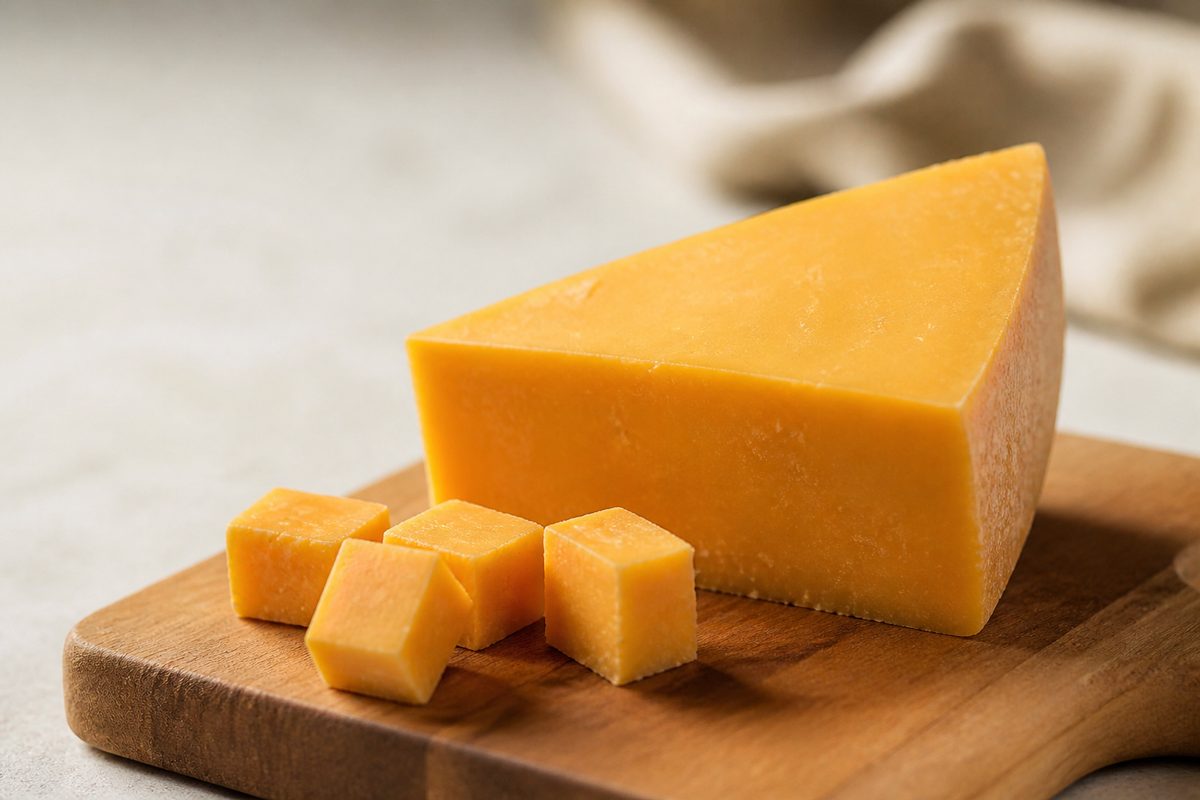
Yes — cheese commonly worsens belching. Among foods linked to belching in Eat Smart Kiwi community data, cheese ranks #1. A big reason is that cheese is rich in fat and protein, so it can sit in the stomach longer and build upper-belly pressure that you then burp away.[1]
Why cheese causes belching
Belching after cheese is often about how long food stays in the stomach, not only “too much air.”
- Fat and protein slow emptying — cheese is nutrient-dense. Fat and protein tend to leave the stomach more slowly than a light carb snack, so the stomach stays fuller for longer. That stretch can create pressure and discomfort in the upper tummy, and belching is one way the body vents that pressure.[1]
- Eating pace — packing in a heavy cheese portion quickly can stretch the stomach wall faster and make burping more likely.[1]
- Lactose (for some people) — softer, fresher cheeses can still contain lactose. In people who are lactose-sensitive, that fermentable sugar can add gas and gut discomfort on top of the fat load.[2] Hard, aged cheeses are often lower in lactose.
Who is most affected
Tolerance varies:
- People sensitive to fatty meals — even a modest serving can feel heavy if fat slows emptying a lot for you.[1]
- Women — some research finds women may retain more fluid/caloric load in the stomach and clear it more slowly, which can make post-meal fullness and pressure feel stronger.[1]
- Lactose sensitivity or IBS — if dairy usually gives you wind or bloating, cheese may trigger belching more easily, especially softer types.[2]
What you can try
- Smaller portions — less volume means less stretch and pressure.[1]
- Eat more slowly — give the stomach time to handle a rich food without a sudden fill.[1]
- Try harder cheeses first — cheddar, parmesan, and similar aged cheeses are often lower in lactose than soft or fresh cheeses.[2]
- Compare types in your diary — soft cheese versus hard cheese, and cheese alone versus cheese with a big meal, shows what actually drives your burps.
Eat Smart Kiwi community data
Among foods linked to belching in Eat Smart Kiwi community data, cheese ranks #1. Cheese and belching also ranks #25 among all food–symptom pairs tracked in the app.
The link is most often seen within about 8 hours of consuming cheese, based on aggregated diary data from about 300 users. These are real-world logging patterns among people tracking digestive health; they are not a clinical trial and do not prove cheese caused belching in every case — but they match what many people report after cheese-heavy snacks or meals.
Why tracking helps you
Cheese belching can be fat, portion, lactose, or how fast you ate. Logging the type and amount next to belching scores shows which combination is your trigger — and whether hard cheese is fine when soft cheese is not.
Summary
Cheese often contributes to belching because rich fat and protein slow stomach emptying and raise upper-gut pressure — and it is the top food linked to belching among Eat Smart Kiwi users. Smaller servings, slower eating, lower-lactose cheeses, and your own diary are practical ways to keep cheese without as much burping.
Track food and symptoms with Eat Smart Kiwi.
This article provides general information and is not intended as medical advice. Consult a healthcare professional or registered dietitian before making significant diet changes, especially if you have a diagnosed gastrointestinal condition.