Does beef worsen belching?
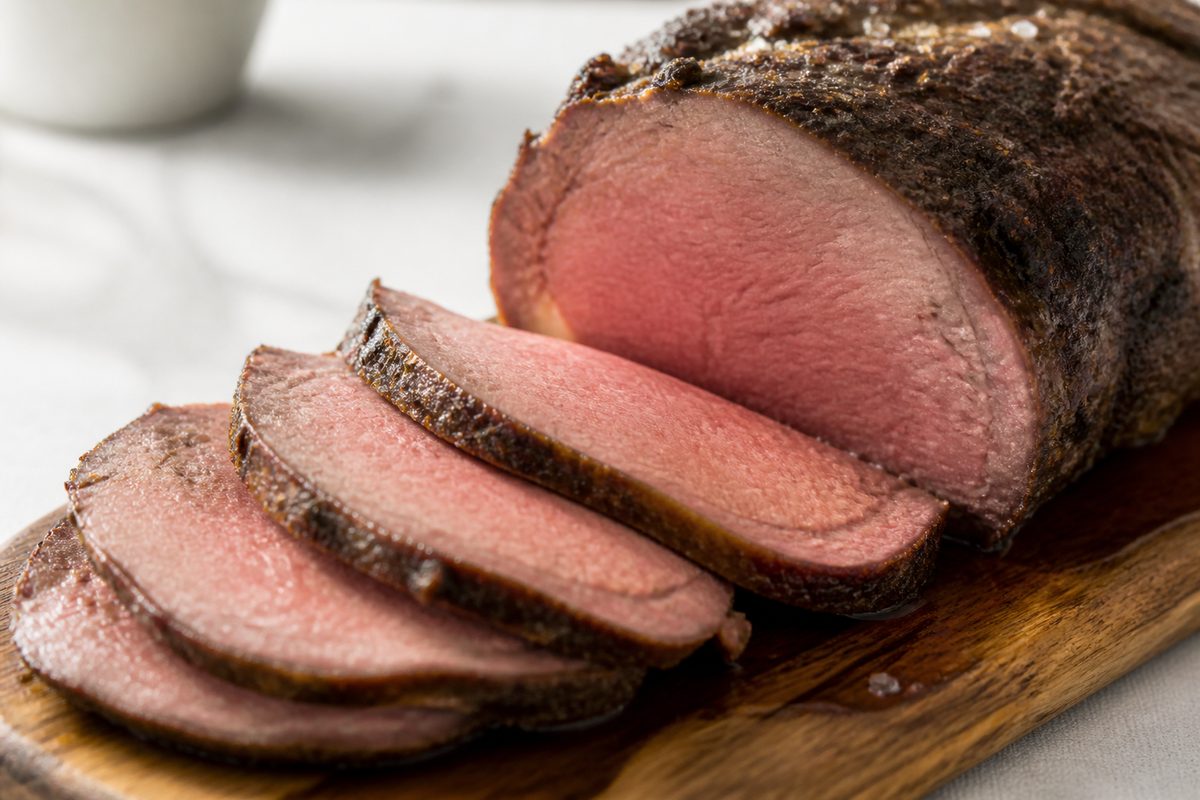
Yes — beef can worsen belching. Among foods linked to belching in Eat Smart Kiwi community data, beef ranks #15.
That is a solid rank for this symptom from about 300 diaries, not proof that a steak always makes you burp. Cheese, olive oil, garlic, and salt all rank higher. Belching is air vented from the stomach or oesophagus. That is a different pathway from colonic fermentation. For the tight, stretched feeling, see does beef cause bloating?. For wind, see does beef cause gas?.
Steak, burger, hamburger, ground beef, roast beef, beef mince, beef steak, and mince are logged separately.
Why beef can cause belching
Belching is how the stomach and oesophagus vent gas and pressure. Stretch of the stomach wall can trigger brief relaxations of the valve at the bottom of the oesophagus so air escapes upward.[1] Some people also suck air into the oesophagus and expel it without it ever reaching the stomach (supragastric belching).[1]
Plain beef is protein and fat. It has no dietary fibre and no FODMAP sugars, so it is not expected to feed colon bacteria the way beans, onion, or a wheat bun do. A burp after beef is usually an upper-gut story, not leftover oligosaccharides.
Fat and meal size are the main food pathways. Higher-energy, fattier meals empty more slowly than lighter ones, so the stomach stays fuller for longer and there is more pressure to vent.[2] A large ribeye or a burger is a different emptying load from a small lean stir-fry.
Swallowed air stacks on top. Eating quickly, talking while chewing, and a fizzy drink with the meal add gas that has to go somewhere.[1]
What sits next to the beef often matters as much as the meat. Onion, garlic, beans, a bun, creamy sauce, and salt are common extras. Those add volume, FODMAPs, or a salty fluid shift; people with IBS often feel that stack more strongly.[3]
Do not treat a rice–wheat–mung-bean gas trial as proof that protein is “well tolerated.” Do not treat a belching-and-reflux review as a steak study. Do not treat an expert bloating update as a beef protocol.
Who is most likely to notice it
- People sensitive to fatty, large meals — ribeye, fatty mince, and a big serve are a different stretch from a lean slice.[2]
- Fast eaters and anyone having fizz with the plate — more swallowed air to vent.[1]
- Anyone stacking — beef plus onion, bun, beans, or a salty gravy.[3]
- People who bloat from beef but do not burp — a tight belly and a burp are different logs; your diary can split them.
You do not need a diagnosis to notice it. You also do not need to drop every steak if the bun, the onion, or the fizzy drink is doing more of the work.
What you can try
- Choose a leaner cut and a smaller serve — less fat and less volume is a cleaner emptying test.[2]
- Eat slower, skip the fizz with the meal — less swallowed air.[1]
- Keep the plate simple — potato or rice instead of onion, beans, and a bun while you test the beef.[3]
- Go easy on salt and gravy — salt ranks higher for this symptom on its own.
- Log steak, mince, and burger separately — they are different foods in the app.
- Stay upright after a rich meal — reclining soon after eating can make pressure and burping feel worse.
You do not have to give up beef. Finding the cut, amount, and extras you tolerate is the practical goal.
Eat Smart Kiwi community data
Among foods linked to belching in Eat Smart Kiwi community data, beef ranks #15. Beef and belching also ranks #268 among all food–symptom pairs tracked in the app — a lower mid-table overall rank, not a top pair across the whole food–symptom list.
The link is most often seen within about 8 hours of eating beef, based on aggregated diary data from about 300 users. These are real-world logging patterns among people tracking digestive health; they are not a clinical trial and do not prove beef caused belching in every case — but they match a heavy, fatty, or stacked meat meal better than a unique “beef protein” burp trial.
Why tracking helps you
A lean stir-fry, a burger, a stew with beans, and a huge steak are different experiments. Logging the cut and the rest of the plate next to belching scores shows whether your pattern is the fat, the portion, swallowed air — or the bun and onion.
If you want to see whether beef or the rest of the plate is driving your burps, try logging in the Eat Smart Kiwi food and symptom tracker.
Summary
Beef can sit with more belching in Eat Smart Kiwi tracking, at rank #15 among belching foods. It does not ferment like fibre foods. Fat and a large serve slow the stomach, swallowed air and fizz add gas, and onion or a bun often do more than the meat. A smaller leaner plate, slower eating, and your own diary are practical next steps.
This article is for general information only and is not medical advice. See a doctor if belching is severe, persistent, or comes with trouble swallowing, weight loss, vomiting, or black stools.