Does beef cause bloating?
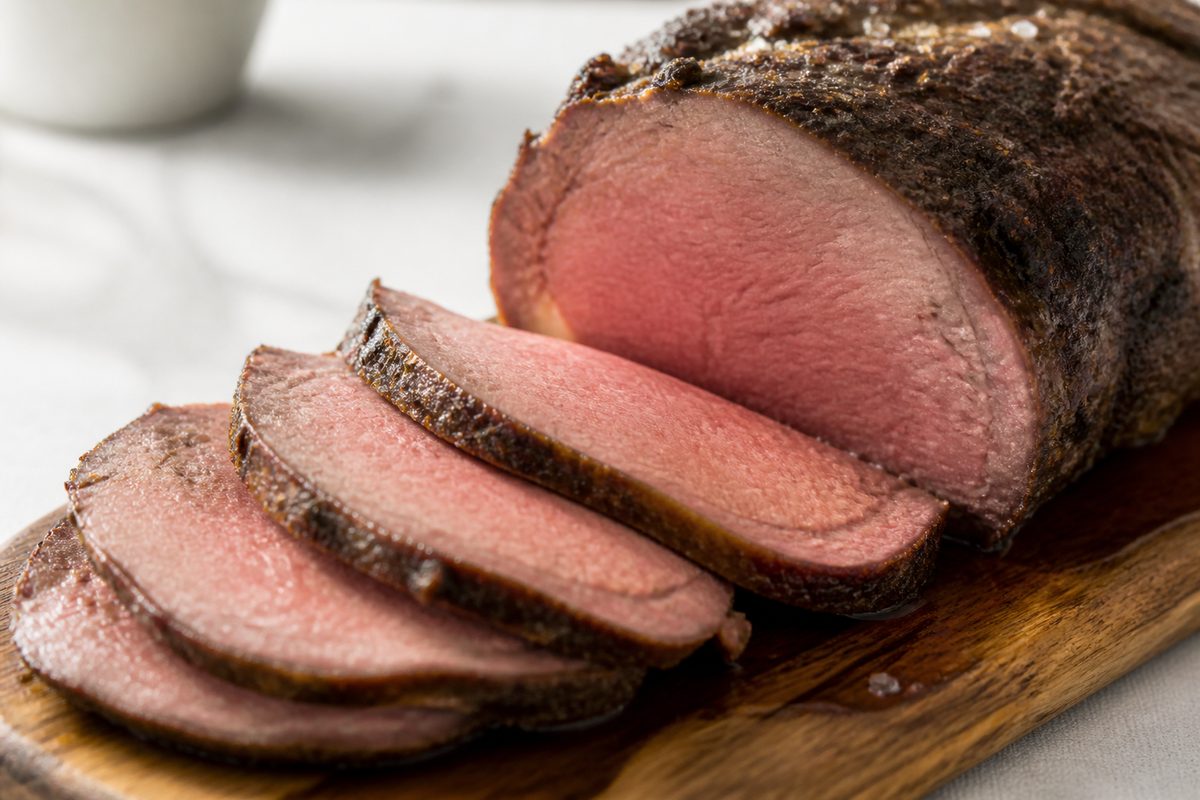
Among foods linked to bloating in Eat Smart Kiwi community data, beef ranks #42. Beef and bloating also ranks #69 among all food–symptom pairs in the app, based on about 600 users, most often within about 8 hours. That sits in contrast to clinical research, where plain meat is generally treated as low-FODMAP and not a source of fermentable carbs.[1] Both can be true: ESK users often track mixed meals, community data is observational (not proof of cause), and fat, portion, salt, and what comes with the beef can still leave you feeling tight and stretched.
Why science does not treat beef as a gas food
Beef has no dietary fibre and no FODMAP sugars. It does not reach the colon as fermentable carbohydrate the way beans, onion, or wheat do, so it is not expected to drive the same bacterial gas load.[1] That is why plain meat usually stays on low-FODMAP menus.
Why you might still bloat after beef
Even without fermentation, there are plausible reasons beef still shows up in real-world tracking:
- Fat and meal energy: Richer cuts (ribeye, brisket, fatty mince) are calorie-dense. Higher-energy, fattier meals tend to leave the stomach more slowly, which can feel like a heavy, tight upper belly.[2]
- Portion size: A large steak or burger is a lot of volume in one go. Meal volume itself slows emptying and stretches the stomach wall.[2]
- Salt and sauces: Beef is often heavily seasoned or served with salty gravy. Higher sodium intake has been shown to increase bloating, likely via extra fluid retention.[3]
- What comes with the beef: Burgers, tacos, and stews often add onion, garlic, beans, or a wheat bun — classic FODMAP extras that can do more fermenting than the meat.[1]
Who is most affected
Tolerance varies:
- People sensitive to fatty meals — a lean stir-fry can feel different from a well-marbled steak.[2]
- Large or fast meals — more volume means more stretch.[2]
- IBS and sensitive guts — the same fullness can feel more uncomfortable; pairings on the plate still matter.[1]
- Anyone stacking salt and rich sauces — the meat may be only part of a high-sodium, high-fat meal.[3]
What you can try
- Choose a leaner cut — fillet, sirloin, or extra-lean mince is a smaller fat load than ribeye or fatty mince.[2]
- Watch the portion — a smaller serve next to simple sides is a different stretch from a large steak.[2]
- Go easy on salt and gravy — herbs and pepper first; compare a salty takeaway burger with a lightly seasoned home steak.[3]
- Test the pairings — onion, bun, beans, and creamy sauces may be doing more than the beef itself.[1]
Eat Smart Kiwi community data
Among foods linked to bloating in Eat Smart Kiwi community data, beef ranks #42. Beef and bloating also ranks #69 among all food–symptom pairs tracked in the app.
The link is most often seen within about 8 hours of eating beef, based on aggregated diary data from about 600 users. These are real-world logging patterns among people tracking digestive health; they are not a clinical trial and do not prove beef caused bloating in every case — but they match what many people report after a large, fatty, or heavily seasoned meat meal, even when guides list plain beef as well tolerated.
Why tracking helps you
Lean vs fatty, steak vs mince, portion, and whether onion or a bun came with it all change the picture. Logging the cut and the rest of the plate next to bloating scores shows whether your pattern is the beef, the fat, the salt — or something else.
Summary
Plain beef is usually classed as low-FODMAP in research, yet many Eat Smart Kiwi users who track it still report bloating. Fat, portion, salt, and pairings can explain the gap. The most reliable way to know how beef affects you is to watch your own meals and symptoms over time.
Track food and symptoms with Eat Smart Kiwi.
This article provides general information and is not intended as medical advice. Consult a healthcare professional or registered dietitian before making significant diet changes, especially if you have a diagnosed gastrointestinal condition.