Does beer cause bloating?
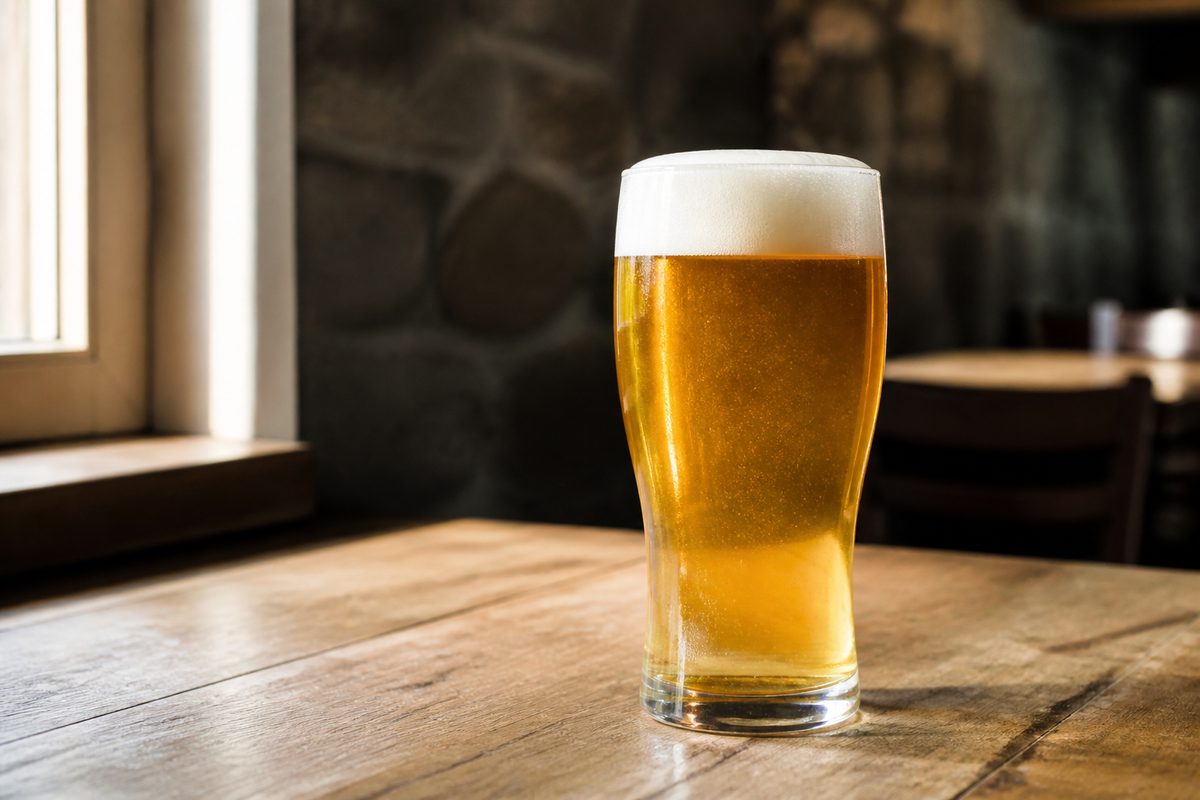
Yes — beer is a common trigger for abdominal bloating. It is not only the alcohol: carbonation adds swallowed gas, and fermentable sugars from grains can produce more gas in the gut. Together, those effects often leave the abdomen feeling stretched and uncomfortable.[1]
Why beer causes bloating
There are three main reasons drinking beer can lead to that tight, stretched feeling:
- Bubbles and ingested gas: Beer is highly carbonated. Swallowing that gas can cause immediate physical distension of the stomach, which you feel as bloating.
- Fermentable sugars (FODMAPs): Beer contains short-chain carbohydrates (FODMAPs), especially fructans and oligosaccharides from grains such as wheat and barley. These sugars are often poorly absorbed in the small intestine.[1] When they reach the colon, gut bacteria ferment them and produce gas — often hydrogen. They also have an osmotic effect, drawing water into the gut. Extra water plus gas increases intestinal volume and the sensation of bloating.[1]
- Gut barrier and sensitivity: Research suggests that an imbalanced diet can compromise the intestinal mechanical barrier — the cell layer that protects the gut.[2] If your barrier or microbiota is under strain, you may feel the stretch from fermentation gas more intensely than someone with a more resilient gut.
Who is most affected
The impact of beer on bloating varies with gut sensitivity. In clinical trials, healthy people often tolerate moderate FODMAP intake with little change in symptoms, while people with IBS do not.[1]
If you have irritable bowel syndrome (IBS) — including IBS-D, IBS-C, or IBS-M — bloating and pain scores tend to rise more when fermentable sugars are in the diet. With a sensitive gut, the sugars in beer are more likely to trigger a strong reaction than they would in someone without IBS.[1]
What you can try
If you enjoy a pint but want less discomfort afterwards:
- Consider the ingredients: Wheat, rye, and barley are the main fructan sources in beer. Some people do better with beers brewed from alternative grains such as rice or sorghum, which are lower in those fermentable sugars.[1]
- Mind the bubbles and stacking: Gas production is cumulative and dose-dependent. Carbonation plus fermentable sugars build up as you drink. Limit volume in one sitting, and watch other high-FODMAP foods at the same time.
- Support your gut: A healthier microbiota and stronger intestinal barrier may help you tolerate triggers better. Research in this area is ongoing.[2]
Eat Smart Kiwi community data
Among foods linked to bloating in Eat Smart Kiwi community data, beer ranks #6. Beer and bloating also ranks #10 among all food–symptom pairs tracked in the app.
The link is most often seen within about 8 hours of drinking beer, based on aggregated diary data from about 500 users. These are real-world logging patterns among people tracking digestive health; they are not a clinical trial and do not prove beer caused bloating in every case — but they closely match what many people report in practice.
Why tracking helps you
Bloating from beer is often dose-dependent. It is not always about whether you can drink beer, but how much and what type you tolerate before you hit your limit.
Tracking food and symptoms together helps you spot those patterns — so you can keep beer in your routine if possible, with less guesswork.
Summary
Beer triggers bloating through carbonation and fermentation of grain-based sugars into gas. The effect is often stronger in people with IBS, while others tolerate moderate amounts without much trouble. Adjusting volume, choosing lower-FODMAP styles, and tracking your own diary are practical ways to find what works for you.
Track food and symptoms with Eat Smart Kiwi.
This article provides general information and is not intended as medical advice. Consult a healthcare professional or registered dietitian before making significant diet changes, especially if you have a diagnosed gastrointestinal condition.