Does beer cause gas?
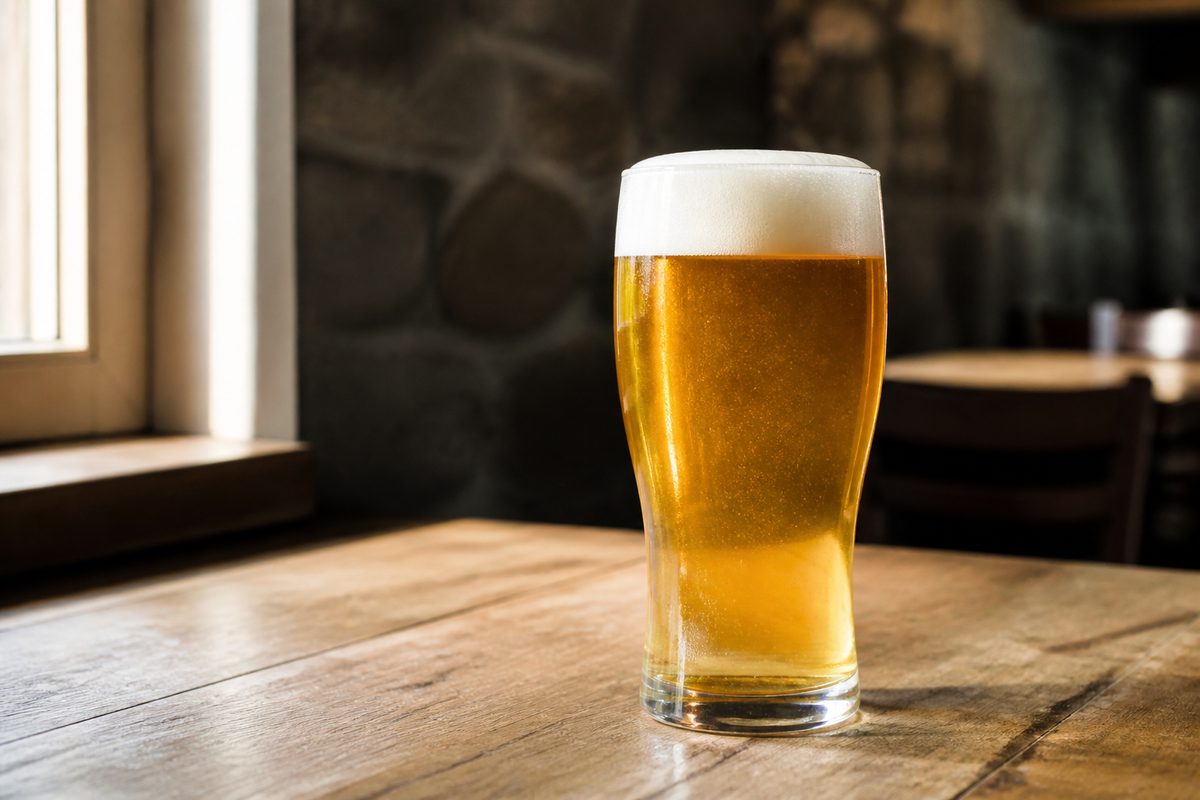
Yes — beer commonly causes gas (wind). Carbonation means you swallow gas as you drink, and fermentable carbohydrates from grains can produce more gas once gut bacteria break them down.[1] Together, those effects make beer a frequent trigger for flatulence and abdominal pressure.
Why beer can make you gassy
Several things about beer push gas production up:
- Bubbles: Beer is carbonated. Swallowing that gas can mean more wind soon after drinking, before fermentation even starts.
- Fermentable carbohydrates (FODMAPs): Beer made from wheat, barley, or rye can contain fructans and related short-chain carbohydrates that are poorly absorbed in the small intestine.[1] They draw water into the gut (an osmotic effect) and are fermented in the large intestine, producing gas as a byproduct.[1]
- Dose and stacking: Larger volumes, or beer plus other high-FODMAP foods the same day, increase the fermentable load and the amount of gas produced.
Who is most affected
Tolerance varies a lot:
- Healthy guts — many people still ferment these carbohydrates but notice little excess wind or discomfort.[1]
- IBS and sensitive guts — people with IBS often feel wind, bloating, and related symptoms more strongly on higher-FODMAP patterns than on lower-FODMAP eating, including when grain-based fermentable carbs are in the diet.[1]
What you can try
- Mind the volume — less beer in one sitting usually means less swallowed gas and less fermentable load.
- Check the grains — wheat, rye, and barley are common fructan sources; some people tolerate styles made with other grains better.[1]
- Watch stacking — beer with onion-heavy food, wheat bread, or beans can push gas higher than beer alone.
- Notice timing — track whether wind shows up quickly (more likely bubbles) or hours later (more likely fermentation).
Eat Smart Kiwi community data
Among foods linked to gas (flatulence) in Eat Smart Kiwi community data, beer ranks #2. Beer and gas also ranks #15 among all food–symptom pairs tracked in the app.
The link is most often seen within about 8 hours of drinking beer, based on aggregated diary data from about 500 users. These are real-world logging patterns among people tracking digestive health; they are not a clinical trial and do not prove beer caused gas in every case — but they closely match what many people report in practice.
Why tracking helps you
Responses to beer vary by style, volume, and what else you ate. Tracking drinks and gas together shows whether your pattern is immediate (carbonation), delayed (fermentation), or mostly about the food you pair with the pint.
Summary
Beer can cause gas through swallowed carbonation and fermentation of grain carbohydrates — especially if you have IBS or a sensitive gut. Smaller servings, grain choices, and your own diary are practical ways to find a tolerable approach.
Track food and symptoms with Eat Smart Kiwi.
This article provides general information and is not intended as medical advice. Consult a healthcare professional or registered dietitian before making significant diet changes, especially if you have a diagnosed gastrointestinal condition.