Does cheese cause heartburn?
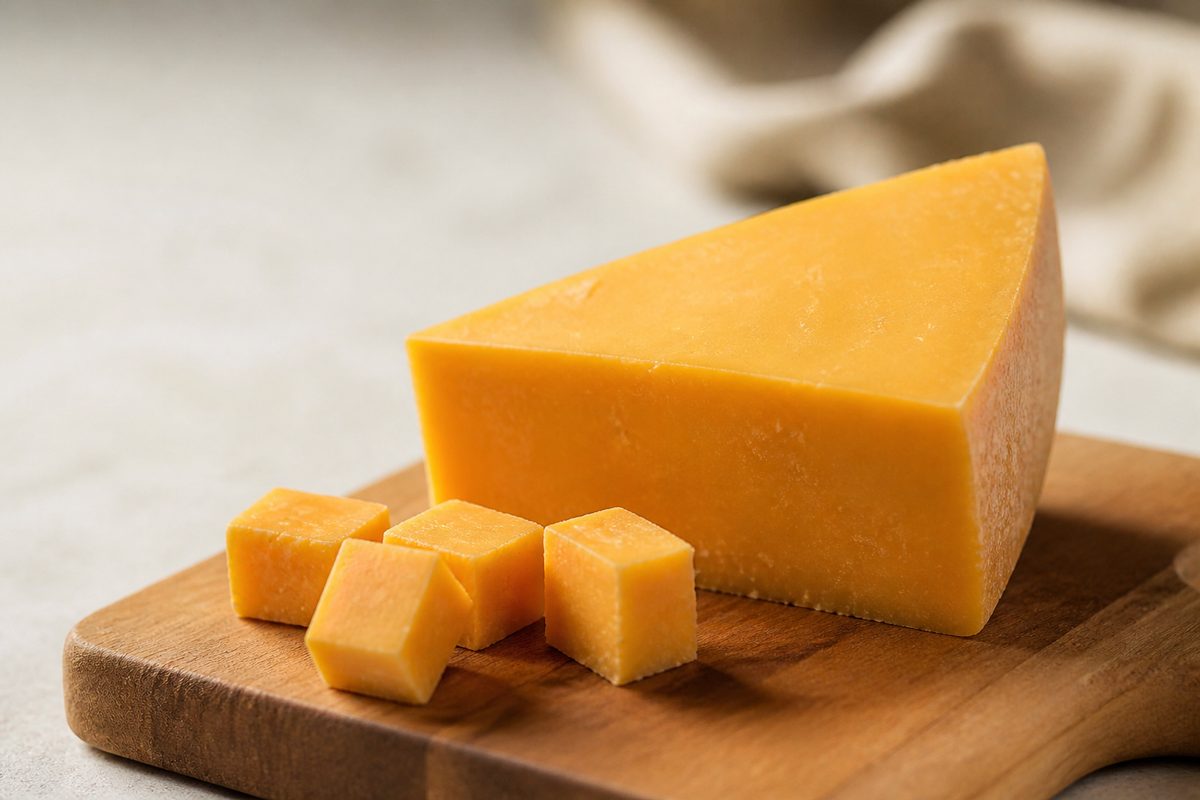
Yes — cheese often worsens heartburn in the hours after a meal. Among foods linked to heartburn in Eat Smart Kiwi community data, cheese ranks #2.[1]
A genetic study of usual cheese intake found the opposite direction for lifetime reflux-disease risk. Both can be true: a fatty cheesy meal can still bring on heartburn tonight, even if eating cheese over years is not the same as a proven “GERD-protective” food.[1][3]
Why cheese can trigger heartburn
Heartburn is acid from the stomach coming up into the oesophagus. That is more likely when the stomach stays full for longer, or when a large, fatty meal puts extra pressure on the valve at the bottom of the oesophagus.
Fat is the main cheese pathway. Higher-energy, fattier meals empty from the stomach more slowly than lighter ones. Food sitting there longer means more stretch and more chance of acid coming up — often peaking hours after you eat, not immediately.[1]
A sprinkle of parmesan is a different experiment from a multi-cheese pizza, a fondue, or a late-night cheese board.
Cheese is rarely eaten alone. In a meal study, a sausage-egg-cheese biscuit with raw onion and chocolate milk produced more reflux episodes than a hamburger meal; a chilli and red-wine meal was worse still, even though it was lower in fat. So onion, spice, alcohol, chocolate, and meal size can do as much as the cheese — or more.[2]
Genetic analyses of “how much cheese people usually eat” have reported lower odds of a GERD diagnosis with higher genetically predicted cheese intake.[3] That is not a trial of a cheesy dinner. It does not show that calcium, magnesium, or probiotics in cheese protect the oesophagus from tonight’s reflux, and diet Mendelian randomisation is easy to over-read. It is not a reason to ignore a heavy cheese meal if heartburn is already your pattern.
Who is most affected
Tolerance varies:
- People who already get reflux — a rich cheese serve is a common way to tip a sensitive evening over the edge.[1]
- Large or high-fat cheese meals — pizza, nachos, fondue, or a thick grilled slab are a bigger emptying load than a thin slice.[1]
- Stacked triggers — cheese plus onion, tomato sauce, chilli, wine, chocolate, or lying down soon after eating.[2]
- Late eaters — a slow-emptying meal still in the stomach when you go to bed is an easy setup for night-time burn.[1]
Lower-fat cheese cuts the fat load; it does not remove pairings or portion.
What you can try
- Shrink the portion — a slice on a sandwich may be fine when a heavy pizza is not.[1]
- Try a lower-fat cheese — a useful diary contrast if fat is the main pathway.[1]
- Watch the rest of the plate — onion, tomato-chilli sauce, wine, and chocolate can mask whether cheese itself is the trigger.[2]
- Leave a gap before lying down — especially after a rich cheese meal.[1]
- Do not treat cheese as a reflux remedy — a lower lifetime GERD-diagnosis signal in genetic data is not the same as relief after eating it.[3]
You do not have to drop every cheese. Finding which types, amounts, and meals you tolerate is the practical goal.
Eat Smart Kiwi community data
Among foods linked to heartburn in Eat Smart Kiwi community data, cheese ranks #2. Cheese and heartburn also ranks #108 among all food–symptom pairs tracked in the app.
The link is most often seen within about 8 hours of eating cheese, based on aggregated diary data from about 500 users. These are real-world logging patterns among people tracking digestive health; they are not a clinical trial and do not prove cheese caused heartburn in every case — but they match what many people report after a fatty cheese meal.
Why tracking helps you
A sprinkle versus a pizza, cheddar versus cream cheese, lunch versus a late snack, and cheese on its own versus cheese with onion or wine all change the picture. Logging type, amount, and timing next to heartburn scores shows whether your pattern is fat, portion, pairings — or something else on the plate.
Summary
Cheese often worsens heartburn because a high fat load can slow the stomach and leave acid more likely to come up — and it ranks among the top heartburn foods in Eat Smart Kiwi tracking. Genetic studies of long-term cheese intake and GERD diagnosis are a different question from an eight-hour diary. Smaller portions, simpler pairings, not eating it right before bed, and your own log are practical next steps.
Track food and symptoms with Eat Smart Kiwi.
This article provides general information and is not intended as medical advice. Consult a healthcare professional or registered dietitian before making significant diet changes, especially if you have frequent heartburn, difficulty swallowing, or a diagnosed reflux condition.