Does carrot help with hunger?
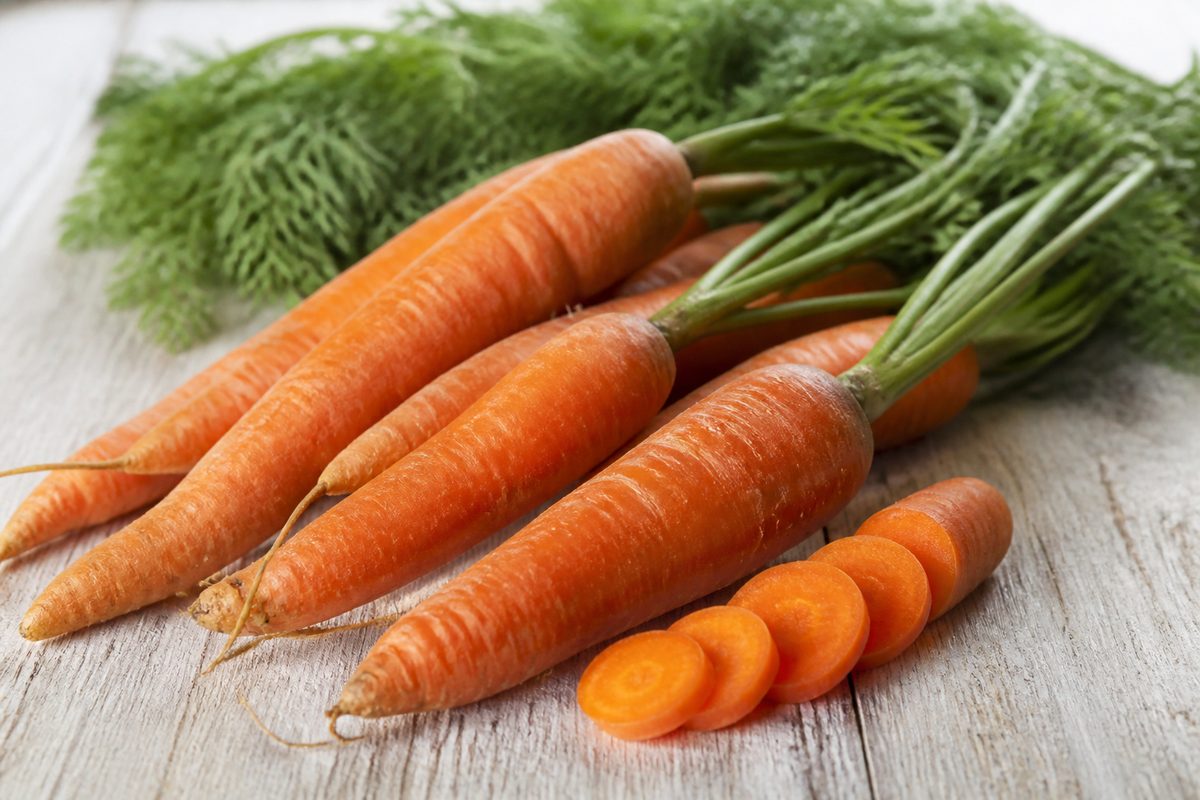
Yes — carrots can help reduce hunger. Fibre and the intact structure of whole carrots both raise fullness after a meal, so you often eat less later. Among foods linked to hunger in Eat Smart Kiwi community data, carrot ranks #3 — and the direction is that carrot helps.[1][2]
Why carrots help with hunger
Whole carrots are bulky and fibrous. Fibre adds volume in the stomach and can slow how quickly a meal leaves it, which prolongs fullness signals.[2]
Structure matters as well as fibre. In a mixed-meal study, lunches with whole carrots or blended carrots left people fuller than a matched “carrot nutrients” meal with the same calories but no fibre or plant structure — and later food intake was lowest after whole carrots, then blended, then nutrients only. So both fibre and intact plant structure help curb subsequent eating.[1]
Chewing crunchy carrots also takes more oral processing, which can add to early fullness signals before the meal is fully digested.[1][2]
Who is most likely to notice a benefit
- People snacking or padding meals with low-volume foods — adding carrots increases bulk without many calories.[2]
- Anyone who usually blends or juices vegetables — whole or chunky carrots tend to beat a nutrient-matched smoothie for satiety.[1]
- Individual responders — some still feel hungry soon after; your diary decides.
What you can try
- Prefer whole or crunchy — raw sticks or lightly cooked pieces usually beat a smooth purée for fullness.[1]
- Put them in a real meal — the satiety research used carrots as part of a mixed lunch, not only as a lonely nibble.[1]
- Pair with protein or fat if you need longer stay-power — fibre helps; protein/fat can extend satisfaction further for some people.
- Compare forms in your tracker — whole vs blended vs juice shows what works for you.
Eat Smart Kiwi community data
Among foods linked to hunger in Eat Smart Kiwi community data, carrot ranks #3 — and the direction is that carrot helps (users tend to feel less hungry). Carrot and hunger also ranks #18 among all food–symptom pairs tracked in the app.
The pattern is most often seen within about 3 hours of eating carrot, based on aggregated diary data from about 300 users. These are real-world logging patterns among people tracking food and how they feel; they are not a clinical trial and do not prove carrot reduced hunger in every case — but they line up with satiety research on whole carrots and fibre.
Why tracking helps you
Form and context matter: sticks with hummus, carrots in a stir-fry, and carrot juice are not the same snack. Logging how you ate them next to hunger scores shows whether your pattern matches the community trend.
Summary
Carrots often help with hunger because fibre and plant structure raise fullness and can reduce later intake — and they rank highly among Eat Smart Kiwi users for helping hunger. Whole or crunchy forms, sensible meal pairings, and your own diary are practical next steps.
Track food and symptoms with Eat Smart Kiwi.
This article provides general information and is not intended as medical advice. Consult a healthcare professional or registered dietitian before making significant diet changes, especially if you have concerns about appetite, weight, or nutrition.