Does cabbage cause bloating?
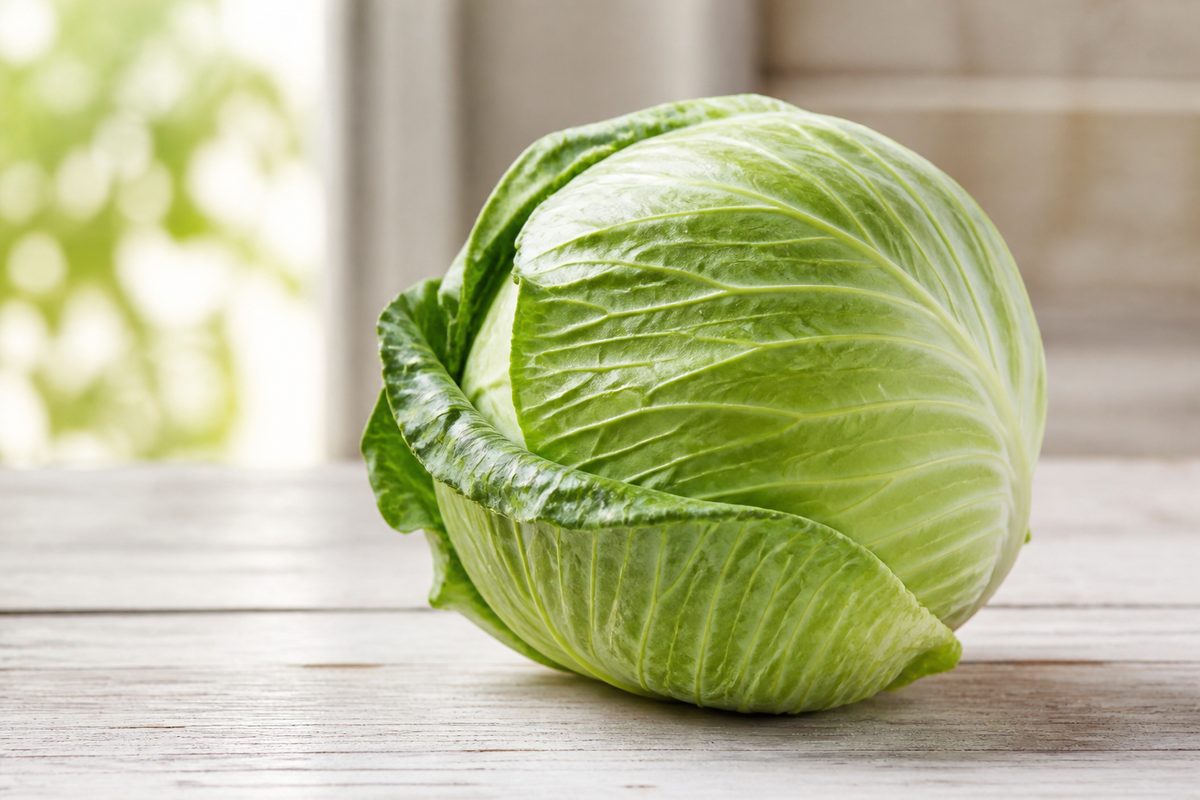
Yes — cabbage can worsen bloating. It is a fibrous cruciferous vegetable, and leftover plant carbohydrate ferments in the colon. Among foods linked to bloating in Eat Smart Kiwi community data, cabbage ranks #104.
That is a lower mid-table rank — not a top trigger. Folklore treats cabbage as a notorious wind food. In this community, broccoli and cauliflower both rank much higher for bloating than cabbage itself. Coleslaw also ranks higher — raw cabbage plus a fatty dressing, often onion, and a barbecue plate. Cabbage and coleslaw are logged separately. A few cooked shreds are a different experiment from a pile of raw slaw.
Why cabbage can cause bloating
Wind and a tight belly after cabbage are mostly fermentation. Even on a fibre-free liquid diet, healthy volunteers still produce some flatus. Adding complex plant carbohydrate raises that volume as gut bacteria feed.[1]
Cabbage is high in fibre. That fibre is useful for many guts. A large raw serve after a low-vegetable week is a bigger leftover load in one sitting. Raffinose-family sugars are the classic pulse story; do not paste that onto cabbage. The usual cabbage load is plant fibre, plus some FODMAPs that rise with type and portion — fructans in some cabbages, polyols in others when the serve gets large. A modest serve of common cabbage is often a milder FODMAP hit than onion, garlic, or a big plate of cauliflower.
People with IBS often feel the same stretch more strongly. Lowering FODMAP intake has been shown to reduce IBS bloating and wind.[2]
What sits next to the cabbage often matters more than the leaf. A Sunday roast with gravy, Yorkshire pudding, and beer, or a slaw with onion and mayo, is a stacked plate. Bok choy is a gentler crucifer in a usual serve; it is still a different food in the app.
Sauerkraut and kimchi are not a proven “easier cabbage.” They are fermented, salty, and logged separately if you track them. Do not assume fermentation removed the bloat.
Who is most likely to notice it
- IBS and FODMAP sensitivity — the same gas can feel much more uncomfortable.[2]
- Large raw serves — a bowl of slaw is more intact fibre than a few boiled shreds.[1]
- Anyone stacking — cabbage plus onion, garlic, beans, or a heavy roast plate.[2]
- People jumping vegetables overnight — a sudden fibre hit can mean extra wind while the gut adapts.[1]
You do not need a diagnosis to notice it. You also do not need to drop every green if the dressing or the rest of the roast is doing more of the work.
What you can try
- Start smaller — a spoonful of cooked cabbage, not a raw pile.[1]
- Cook it — steaming or boiling until tender is a useful contrast with coleslaw; coleslaw is the raw-plus-mayo experiment.
- Keep the plate simple — test cabbage without onion, garlic, or a creamy dressing.[2]
- Do not swap straight to a jar of sauerkraut — that is a different food, not a guaranteed fix.
- Compare with broccoli or cauliflower — if those bother you more, that matches this community’s ranks.
You do not have to give up cabbage. Finding the amount, type, and extras you tolerate is the practical goal.
Eat Smart Kiwi community data
Among foods linked to bloating in Eat Smart Kiwi community data, cabbage ranks #104 — a lower mid-table rank, not a top trigger. Cabbage and bloating also ranks #192 among all food–symptom pairs tracked in the app.
The link is most often seen within about 8 hours of eating cabbage, based on aggregated diary data from about 600 users. These are real-world logging patterns among people tracking digestive health; they are not a clinical trial and do not prove cabbage caused bloating in every case — but they show a real pair, even though cabbage is not among the highest-ranked bloating foods.
Why tracking helps you
Raw versus cooked, a garnish versus a bowl, green versus red versus savoy, and cabbage on its own versus cabbage in coleslaw or a roast all change the picture. Logging how you ate it next to bloating scores shows whether your pattern is the cabbage, the fibre load, or the rest of the plate.
If you want to see whether cabbage or the extras are driving your bloating, try logging in the Eat Smart Kiwi food and symptom tracker.
Summary
Cabbage can worsen bloating because leftover fibre ferments in the colon. It shows up in Eat Smart Kiwi tracking, but it is not a top bloating food — broccoli, cauliflower, and coleslaw all rank higher. Smaller cooked serves, a simpler plate, and your own diary are practical next steps.
This article is for general information only and is not medical advice. If bloating is severe, painful, or persistent, see a doctor.