Does potato cause bloating?
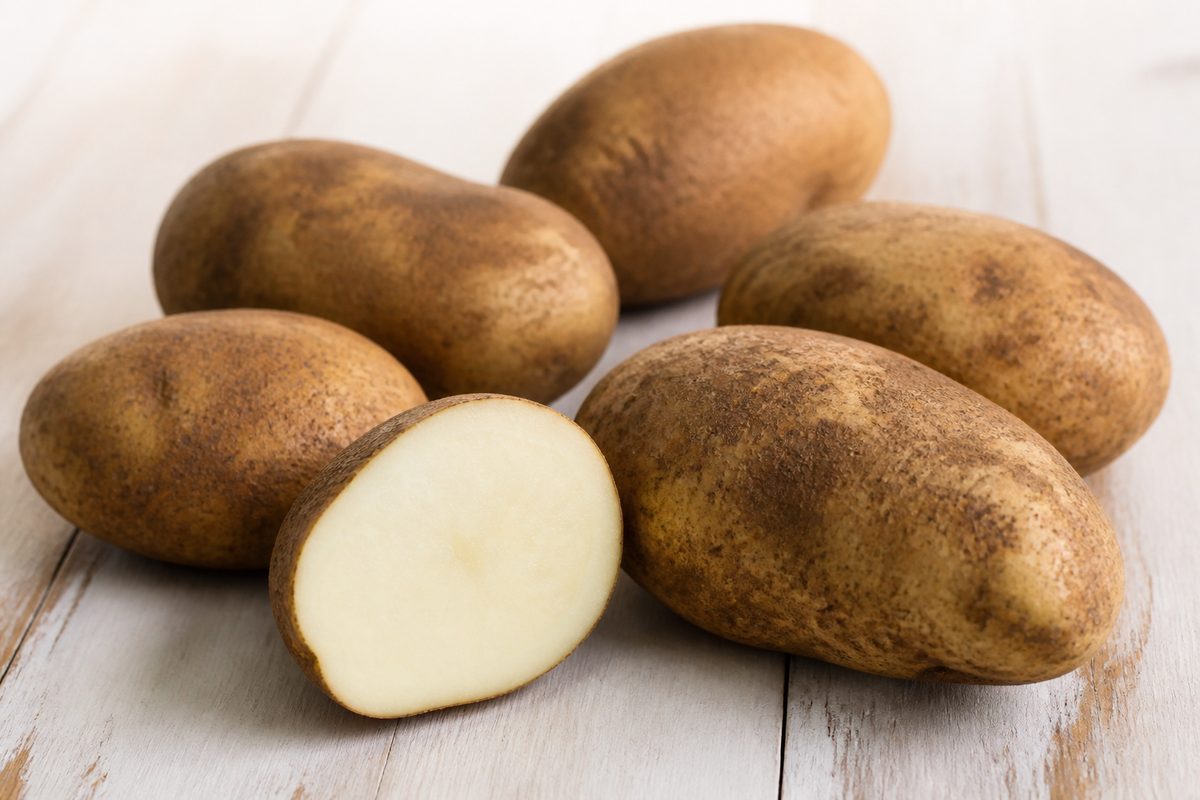
Among Eat Smart Kiwi users who track potato, many report that it worsens bloating — a clear real-world pattern in community diaries. Clinical research, by contrast, usually treats potato as a low-FODMAP, gut-friendly staple and often includes it in diets designed to reduce digestive distress.[1] Both can be true: ESK users often track active gut symptoms, community data is observational (not proof of cause), and real meals differ from trial diets in preparation, toppings, and what else was on the plate.
Why science calls potato low-bloat
Potatoes are mainly starch and are low in the fermentable sugars (FODMAPs) that most often drive gas-related bloating.[1] That is why plain potato is a common “safe” staple on low-FODMAP plans for IBS.
In a major low-FODMAP trial that included potato in everyday meals (such as shepherd’s pie and kebabs), average bloating scores fell substantially, and most participants felt better — including across IBS subtypes.[1]
Why you might still bloat after potato
How potato is prepared can change the story:
- Flavourings and additives — plain potato products may fit a low-FODMAP pattern, while seasoned chips or flavoured versions often include onion or garlic powder and other triggers.[1]
- Fat — fries and other fried potato dishes add a lot of fat, which can slow digestion and leave you feeling heavy or bloated even when the potato itself is low-FODMAP.
- Toppings — large amounts of butter, cream, or cheese can add to that full, stretched feeling.
- Individual gut response — starch fermentation and gut sensitivity vary; a food that helps many people can still bother you.[2]
What you can try
- Boil, steam, or bake instead of deep-frying, to keep fat lower.
- Choose plain packaged potato products rather than seasoned or flavoured ones.[1]
- Watch toppings — heavy cream, lots of butter, or cheese may be doing more than the potato.
- Compare forms in your diary — plain boiled potato versus fries or flavoured chips often feel very different.
Eat Smart Kiwi community data
In Eat Smart Kiwi community data, potato is linked with worsening bloating. The pattern is most often seen within about 8 hours of eating potato, based on aggregated diary data from about 1,000 users.
These are real-world logging patterns among people tracking digestive health; they are not a clinical trial and do not prove potato caused bloating in every case — but they show that a food guides often call “safe” can still show up as a problem in everyday tracking.
Why tracking helps you
When research averages and your meals disagree, your diary decides. Logging potato (plain vs fried, toppings, and what else you ate) next to bloating scores shows whether your pattern matches the community trend — or whether preparation is the real issue.
Summary
Potato is usually classed as low-FODMAP and gut-friendly in research, yet many Eat Smart Kiwi users who track it still report bloating. Preparation, fat, and toppings often explain the gap. The most reliable way to know how potato affects you is to watch your own meals and symptoms over time.
Track food and symptoms with Eat Smart Kiwi.
This article provides general information and is not intended as medical advice. Consult a healthcare professional or registered dietitian before making significant diet changes, especially if you have a diagnosed gastrointestinal condition.