Does coke cause bloating?
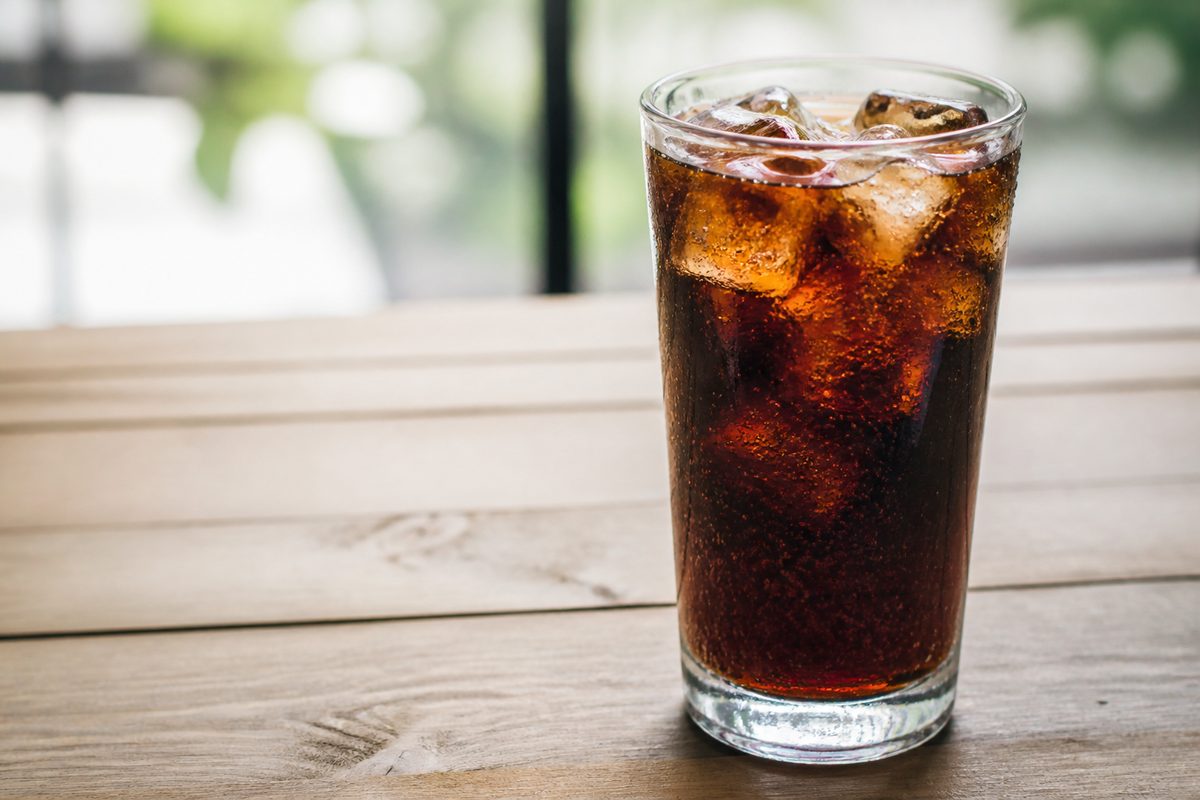
Yes — coke (cola) commonly worsens bloating. Among foods linked to bloating in Eat Smart Kiwi community data, coke ranks #24. The main reason is carbonation: you swallow carbon dioxide with the drink, which expands stomach volume and leaves that tight, puffed, heavy feeling.[1]
Why coke causes bloating
Bloating after coke is largely about total gastric volume — liquid plus gas taking up space in the stomach — not only “too much air.”[1]
- Swallowed CO₂ — fizzy drinks deliver gas into the stomach as you drink. That gas expands the volume of what you swallowed, so a glass can feel bigger than the liquid alone suggests.[1]
- Stretch receptors — the extra volume stretches the stomach wall and signals fullness, pressure, or upper-belly discomfort — what people usually call bloating.[1]
- Speed and serving size — gulping a large bottle stacks volume quickly; smaller, slower servings are usually gentler.[1]
Caffeine in cola is a smaller part of the story for most people than the bubbles. If you also get heartburn or gut sensitivity from coffee or energy drinks, cola may feel worse for you for that reason too — but carbonation is the main bloating driver.
Who is most affected
Tolerance varies:
- People sensitive to fizzy drinks — even a modest can can feel tight if carbonation stretches you a lot.[1]
- Women — some research finds women may retain more fluid in the stomach after carbonated drinks and feel discomfort more strongly.[1]
- Anyone stacking volume — coke with a large meal, crisps, or more fizzy drinks the same day adds stretch on top of stretch.
What you can try
- Smaller servings — less volume means less stretch.[1]
- Sip slowly — pacing a drink over about 20 minutes is gentler than finishing it quickly.[1]
- Try still alternatives — flat cola (left to go still), sparkling water vs still water, or a caffeine-free still drink are useful diary contrasts.
- Notice timing — track whether the bloat is immediate (bubbles) or later in the day (meal stacking, larger volume).
Eat Smart Kiwi community data
Among foods linked to bloating in Eat Smart Kiwi community data, coke ranks #24. Coke and bloating also ranks #37 among all food–symptom pairs tracked in the app.
The link is most often seen within about 8 hours of consuming coke, based on aggregated diary data from about 300 users. These are real-world logging patterns among people tracking digestive health; they are not a clinical trial and do not prove coke caused bloating in every case — but they match what many people report after fizzy cola.
Why tracking helps you
Coke bloating can be bubbles, serving size, how fast you drink, or what you ate with it. Logging serving size, drinking speed, and timing next to bloating scores shows which pattern is yours.
Summary
Coke often causes bloating because carbonation expands stomach volume and triggers stretch — and it ranks among the more common bloating-linked drinks for Eat Smart Kiwi users. Smaller servings, slower sipping, still alternatives, and your own diary are practical ways to cut the puffed, heavy feeling.
Track food and symptoms with Eat Smart Kiwi.
This article provides general information and is not intended as medical advice. Consult a healthcare professional or registered dietitian before making significant diet changes, especially if you have a diagnosed gastrointestinal condition.