Does coffee help with sneezing?
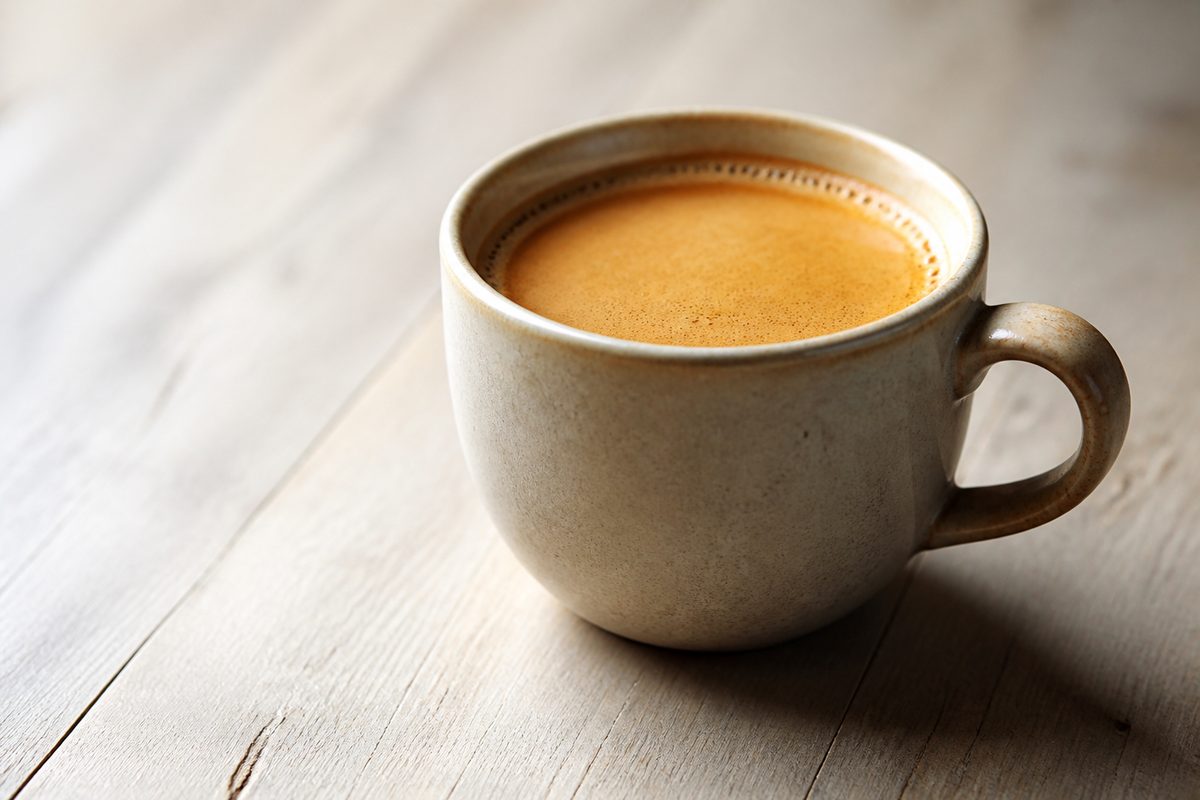
Yes — coffee can sit with less sneezing for some people. Among foods linked to sneezing in Eat Smart Kiwi community data, coffee ranks #1 — and the direction is that coffee helps.
That is a strong community rank from about 300 diaries, not a mug that treats hay fever or a cold. There is no clinical trial of ordinary coffee for sneezing in the eight hours after a cup. Coffee, black coffee, coffee with milk, and decaf coffee are logged separately.
Why coffee might help
Eat Smart Kiwi users who log coffee often report quieter sneezing scores in the following eight hours. That is a morning-to-afternoon window, not an allergy-clinic visit.
The closest human “hot drink and sneezing” trial did not use coffee. In 30 people with a common cold or flu, a dilute apple-and-blackcurrant cordial was sipped hot or at room temperature. Objective nasal airflow did not change. Subjective sneezing, runny nose, and cough improved after both temperatures. The hot drink also eased sore throat, chilliness, and tiredness. The authors discussed placebo plus a tasty, sweet-acid sip stimulating saliva and airway secretions — not caffeine resetting the immune system.[1] See does apple help with a runny nose? and does water help with congestion?.
So the honest picture is: diaries often sit quieter after coffee, and a hot (or even room-temperature) fruit cordial eased the feeling of sneezing in a small cold study. Possible everyday reasons the pair shows up include a hot, strongly flavoured sip, steam from the mug, swapping a morning in bed for being up and drinking something, or a real individual response that a coffee-sneeze trial has not measured.
Do not treat intranasal caffeine in ovalbumin-allergic mice as a café mug. That work counted nose-rubs and sneezes in a mouse model, with caffeine dropped in the nose — not swallowed coffee, not hay fever in people, and not a Th2-to-Th1 “clinical” immune reset. Do not treat a coffee-versus-decaf mood-and-sleep study as a sneeze paper.
Milk is a different log: it ranks first among foods that worsen a runny nose. A milky coffee is not the same experiment as a small black cup.
Coffee will not replace an antihistamine, a steroid spray, or rest. Persistent sneezing with wheeze, fever, or facial pain still needs a doctor.
Who is most likely to notice a benefit
- People already drinking coffee as a usual cup — that is what the diaries measure, not a research dose of caffeine drops.[1]
- Anyone sipping it hot with a cold — that is closer to Sanu’s cordial than to an allergy immunology paper.[1]
- Hay fever versus a viral cold — the diaries mix both; the cordial trial was a cold, not seasonal rhinitis.[1]
- Anyone hoping caffeine treats IgE-driven hay fever — there is no human coffee trial for that.
Iced coffee, decaf, and coffee with milk are different tests if you want to split heat, caffeine, and dairy.
What you can try
- Keep a usual hot cup, not a mouse protocol — Sanu’s drink was sipped over minutes, not a Th2 experiment.[1]
- Compare black coffee versus coffee with milk versus decaf — same time of day, so you can see whether heat, caffeine, or dairy was doing the work.
- Do not skip allergy medicine because of a mug — coffee is not a licensed hay-fever treatment.
- Keep caffeine earlier if sleep is already poor — a worse night can leave you sniffier the next day; that is sleep, not a sneeze mechanism.
- Compare in your tracker — days with coffee versus without, and cold versus hay fever, shows whether your pattern matches the community trend.
Eat Smart Kiwi community data
Among foods linked to sneezing in Eat Smart Kiwi community data, coffee ranks #1 — and the direction is that coffee helps. Coffee and sneezing also ranks #109 among all food–symptom pairs tracked in the app — a lower mid-table overall rank, not a top pair across the whole food–symptom list.
The pattern is most often seen within about 8 hours of drinking coffee, based on aggregated diary data from about 300 users. These are real-world logging patterns among people tracking food and how they feel; they are not a clinical trial and do not prove coffee reduced sneezing in every case — but they are the strongest evidence we have for this specific pair.
Why tracking helps you
A hot black coffee, an iced latte, and decaf are different drinks. A cold and hay fever are different noses. Logging the cup next to sneezing scores shows whether your pattern is the heat, the caffeine, the milk — or the rest of the morning.
If you want to see whether coffee or the rest of the day is easing your sneezing, try logging in the Eat Smart Kiwi food and symptom tracker.
Summary
Coffee often sits with less sneezing in Eat Smart Kiwi tracking, and it ranks #1 among foods for that symptom. There is no coffee-sneeze trial. A hot fruit cordial eased the feeling of sneezing in a small cold study without changing measured airflow; mouse nasal caffeine is not a flat white. A usual cup, a dairy-versus-black split, and your own diary are practical next steps.
This article is for general information only and is not medical advice. If sneezing is severe, persistent, or comes with wheeze, fever, or suspected allergy, see a doctor.