Does coffee cause irritability?
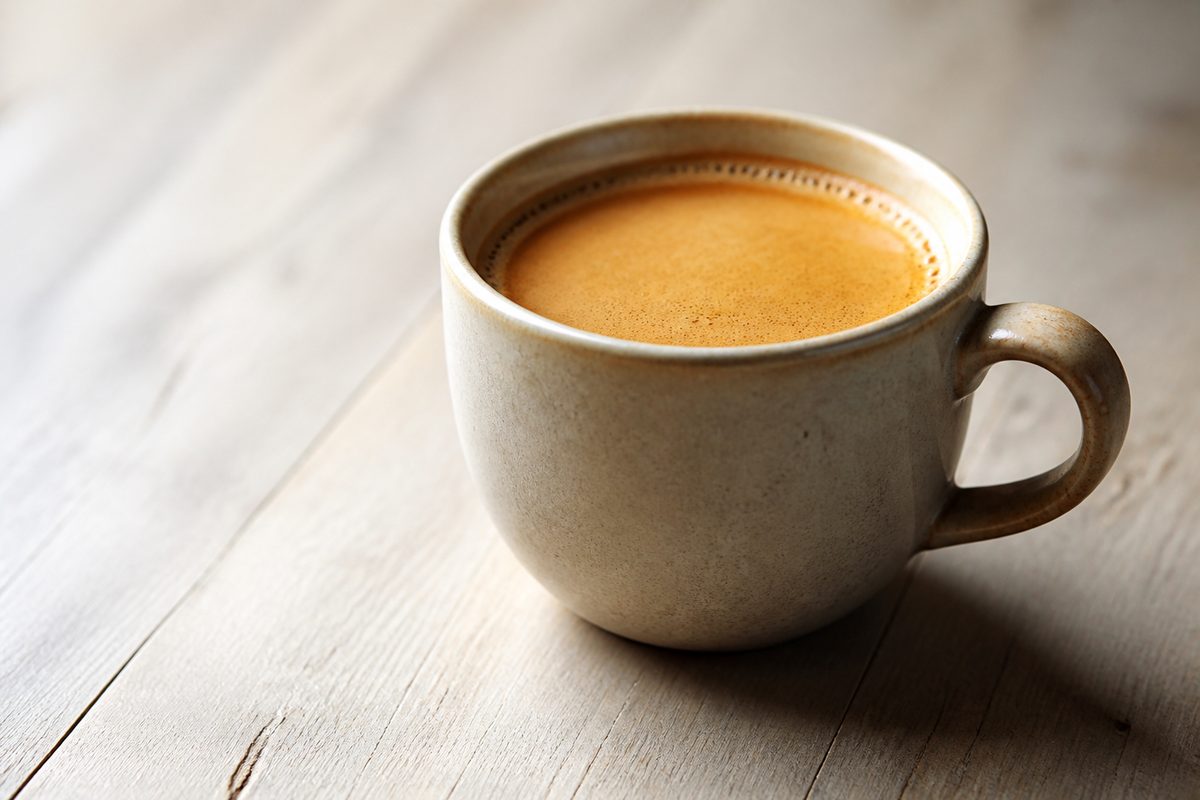
Yes — coffee can worsen irritability for some people. Among foods linked to irritability in Eat Smart Kiwi community data, coffee ranks #1 — and the direction is that coffee worsens it.
That is a strong community rank from about 300 diaries, not proof that one ordinary mug is a psychiatric diagnosis. The Eat Smart Kiwi window is the 8 hours after you drink coffee. That is a different experiment from skipping your usual cup and getting withdrawal.
Why coffee can make you irritable
Caffeine is a stimulant. A meta-analysis of trials in healthy people found that caffeine went with higher anxiety scores than control drinks. The rise was moderate at lower doses and larger at 400 mg or more in a day. Those studies were mixed, and they measured anxiety, not a snap-at-the-kids score — but edginess and irritability often travel together.[1]
A randomised trial used decaffeinated coffee as the control. After a washout, people who drank regular coffee providing about 450 mg of caffeine a day for five days (two large cups) had worse sleep and higher anxiety. The decaf group — about 6 mg per cup — did not.[2] That is a high-caffeine load, not a small filter coffee. It still shows that extra caffeine can push mood the wrong way, which lines up with diaries that flag coffee as worsening irritability.
Possible everyday reasons the pair shows up include a large or fast mug on an empty stomach, sugar or syrup in the cup, stacking tea, cola, or energy drinks on top, poorer sleep after afternoon coffee, or the come-down as caffeine wears off later in that 8-hour window. Coffee instead of breakfast can leave you hungry and short-tempered for reasons that are not “caffeinism.”
Withdrawal is real, and it is not what this community pair mainly measures. A large review found irritability is a validated caffeine-withdrawal symptom, along with headache, fatigue, and difficulty concentrating. Typical onset is 12–24 hours after the last dose, peaking later, not in the first hour after a mug.[3] If you feel snappy because you missed coffee, log the skipped cup — that is withdrawal. If you feel snappy after coffee, that is the stimulant (or the empty stomach, or the sugar).
A 1974 case series of very high intake described “caffeinism” with nervousness and irritability. Those were clinical anecdotes, including people drinking a gram of caffeine a day — not two ordinary cups. A Ramadan fasting study is sometimes quoted here too; irritability rose through the month while coffee and tea intake also rose, along with hunger, sleep change, and smoking. That is not a coffee-withdrawal trial.
In the app, coffee, black coffee, instant coffee, coffee with milk, and decaf coffee are logged separately. A small black cup is not a large sweet takeaway.
Who is most likely to notice it
- People drinking a large caffeine load — the anxiety signal is clearer at higher doses.[1][2]
- Anyone already prone to feeling wired or anxious — caffeine can amplify that, not treat it.[1]
- Coffee-as-breakfast drinkers — hunger and an empty-stomach mug can look like a “coffee mood.”
- Afternoon and evening drinkers — poorer sleep can leave you snappier the next day.[2]
- Heavy daily users who stop suddenly — withdrawal irritability is well documented; it starts the day after the last cup, not as soon as you swallow this one.[3]
Coffee is not a diagnosis of an anger problem, and cutting it will not treat bipolar irritability or a crisis. Those need proper care.
What you can try
- Shrink the dose — one smaller cup, or a slower sip, is a cleaner test than stacking mugs.[1]
- Eat with it — compare coffee-only mornings with coffee plus food.
- Try a like-for-like decaf swap — that is the comparison the coffee trial actually supports; see does decaf coffee help with anxiety?.[2]
- If you cut back, taper — mixing regular and decaf for a few days is kinder than a hard stop if you drink a lot.[3]
- Count the rest of the day — tea, cola, energy drinks, and chocolate still contain caffeine.[1]
- Compare in your tracker — coffee versus decaf versus skipping, morning versus afternoon, and with versus without breakfast, shows whether your pattern matches the community trend.
Eat Smart Kiwi community data
Among foods linked to irritability in Eat Smart Kiwi community data, coffee ranks #1 — and the direction is that coffee worsens it. Coffee and irritability also ranks #173 among all food–symptom pairs tracked in the app — a lower mid-table overall rank, not a top pair across the whole food–symptom list.
The pattern is most often seen within about 8 hours of drinking coffee, based on aggregated diary data from about 300 users. These are real-world logging patterns among people tracking food and how they feel; they are not a clinical trial and do not prove coffee caused irritability in every case — but they are a strong community signal for this pair, and they fit caffeine as a stimulant better than classic withdrawal (which usually starts later).[1][3]
Why tracking helps you
A jittery cup, a missed cup, a skipped breakfast, and a bad night’s sleep are not the same. Logging which coffee you drank — and whether you actually drank it — next to irritability scores shows whether your pattern is the caffeine, the come-down, or the rest of the morning.
If you want to see whether coffee or the missing breakfast is setting you on edge, try logging in the Eat Smart Kiwi food and symptom tracker.
Summary
Coffee ranks #1 among Eat Smart Kiwi foods linked to worse irritability in the 8 hours after a cup. Caffeine can raise anxiety scores, especially at higher doses. Withdrawal can also make you irritable, but that typically starts 12–24 hours after the last caffeine — so it does not explain a diary logged right after coffee. A smaller cup, food with it, a decaf swap, and your own diary are practical next steps.
This article is for general information only and is not medical advice. If irritability is severe, persistent, or a sudden change from your usual self, see a doctor.