Does Weet-Bix help with fatigue?
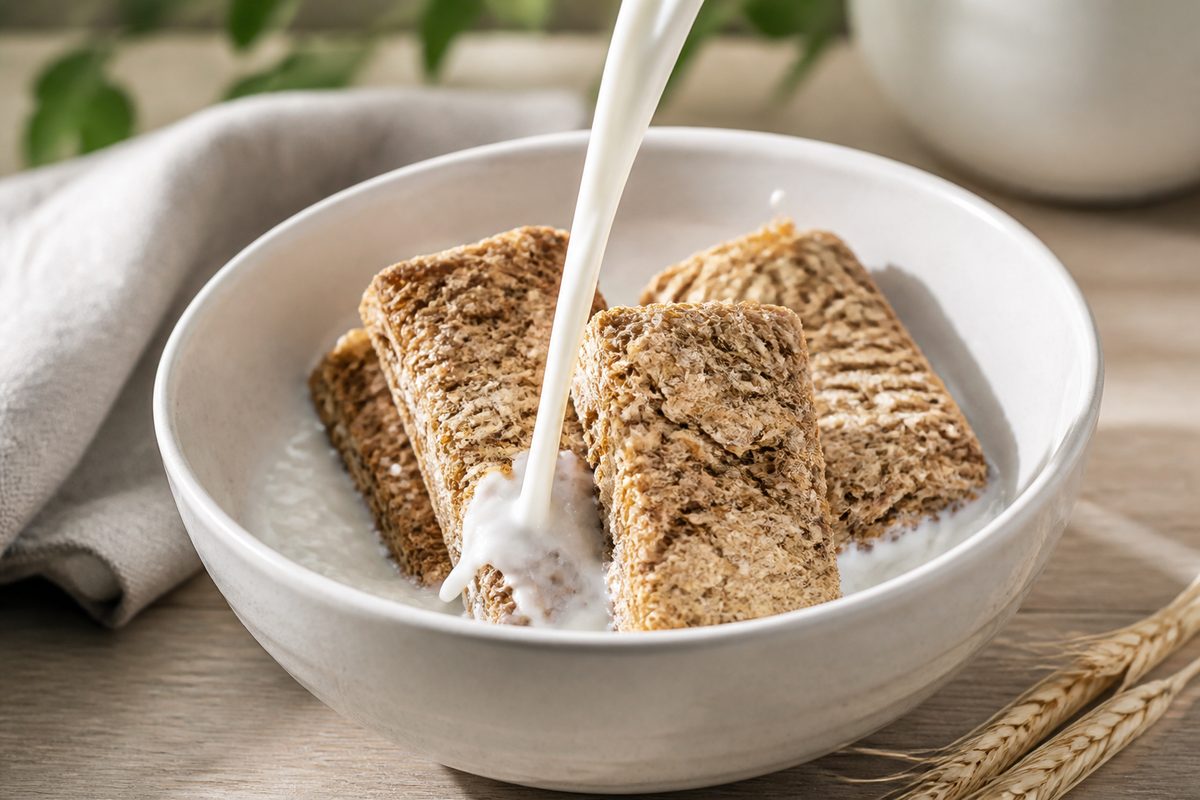
Yes — Weet-Bix can sit with less fatigue for some people. Among foods linked to fatigue in Eat Smart Kiwi community data, weetbix ranks #2 — and the direction is that weetbix helps.
That is a strong community rank from a modest group of diaries (~200 users), not a cereal that treats medical tiredness. Eat Smart Kiwi diaries catch fatigue in about one hour after the bowl — closer to “I had breakfast” than to a slow-release fibre story that plays out all morning.
Ordinary Weet-Bix is whole-wheat biscuits. It is not All-Bran, not a sugary kids’ cereal, and not khorasan (Kamut) wheat.
Why Weet-Bix might help
The simplest story fits the one-hour window: a bowl of biscuits with milk is food. Skipping breakfast, or only having coffee, leaves you running on empty. Carbohydrate plus a bit of protein from milk can lift how tired you feel in the next hour. That is not proof of a blood-sugar “rollercoaster” unique to other cereals, and it is not a diagnosis of reactive hypoglycaemia.
A two-week cereal swap is a different experiment. In a community sample, two weeks of All-Bran or Bran Flakes (high-fibre wheat-bran cereals) sat with more energy and less fatigue than people’s usual breakfast. Bowel symptoms shifted too, but the fatigue change did not depend on those bowel symptoms going away.[1] That is bran flakes over days, not one Weet-Bix biscuit, and not a one-hour diary.
A 2014 IBS trial of khorasan wheat pasta and bread versus ordinary durum wheat is not Weet-Bix. Do not read it as “high-quality wheat restores energy.”
Weet-Bix is still wheat. People with coeliac disease need gluten-free food, not a bigger bowl. People with IBS who react to wheat fructans may feel better at one hour (fed) and worse later (bloated). Honey, sugar, or a huge pile of biscuits on top of the pack’s serve changes the experiment.
Porridge, other cereals, and gluten-free Weet-Bix (if you log it separately) are different breakfasts.
Who is most likely to notice a benefit
- People swapping a skip-breakfast morning or coffee-only start for a bowl — that matches a one-hour diary better than a two-week bran study.[1]
- Anyone already eating Weet-Bix as a regular breakfast — that is what the community logs.
- People hoping bran will fix chronic fatigue — Smith’s trial was two weeks of All-Bran or Bran Flakes in volunteers, not a treatment for anaemia, thyroid disease, or sleep problems.[1]
- Wheat-sensitive or coeliac — this pair is not for you unless you have a gluten-free version and a dietitian’s plan.
What you can try
- Treat it as breakfast, not a medicine — biscuits with milk versus nothing, or versus a sugary cereal, is a cleaner test than “complex carbs prevent a crash.”
- Keep toppings light — sugar or a heavy drizzle of honey is a different breakfast from plain Weet-Bix and milk.
- Do not copy the bran trial with a mountain of biscuits — that study used All-Bran or Bran Flakes for two weeks, not an extra-large Weet-Bix serve.[1]
- See a doctor if tiredness is new, heavy, or lasts — cereal is not a work-up for iron, thyroid, or sleep apnoea.
- Compare in your tracker — Weet-Bix versus porridge versus skipping, and with versus without sugar, shows whether your pattern matches the community trend.
Eat Smart Kiwi community data
Among foods linked to fatigue in Eat Smart Kiwi community data, weetbix ranks #2 — and the direction is that weetbix helps. Weetbix and fatigue also ranks #76 among all food–symptom pairs tracked in the app — a lower mid-table overall rank, not a top pair across the whole food–symptom list.
The pattern is most often seen within about 1 hour of eating weetbix, based on aggregated diary data from about 200 users. These are real-world logging patterns among people tracking food and how they feel; they are not a clinical trial and do not prove weetbix reduced fatigue in every case — but they fit a breakfast that fills you, more than a proven all-morning glucose curve.
Why tracking helps you
Two biscuits versus six, milk versus a plant drink, plain versus honey, and Weet-Bix versus skipping breakfast all change the picture. Logging the bowl next to fatigue scores shows whether your pattern is the cereal, the toppings, or simply having eaten.
If you want to see whether Weet-Bix or the rest of the morning is easing your tiredness, try logging in the Eat Smart Kiwi food and symptom tracker.
Summary
Weet-Bix often sits with less fatigue in Eat Smart Kiwi tracking, especially in the hour after breakfast, and it ranks #2 among foods for that symptom. A two-week trial of bran cereals found less fatigue; that is not the same biscuit, and not a one-hour effect. A normal bowl if you already eat it, light toppings, usual medical care for unexplained tiredness, and your own diary are practical next steps.
This article is for general information only and is not medical advice. See a doctor for new, severe, or unexplained fatigue, and before changing breakfast if you have coeliac disease or have been told to limit wheat.