Do oats help with nausea?
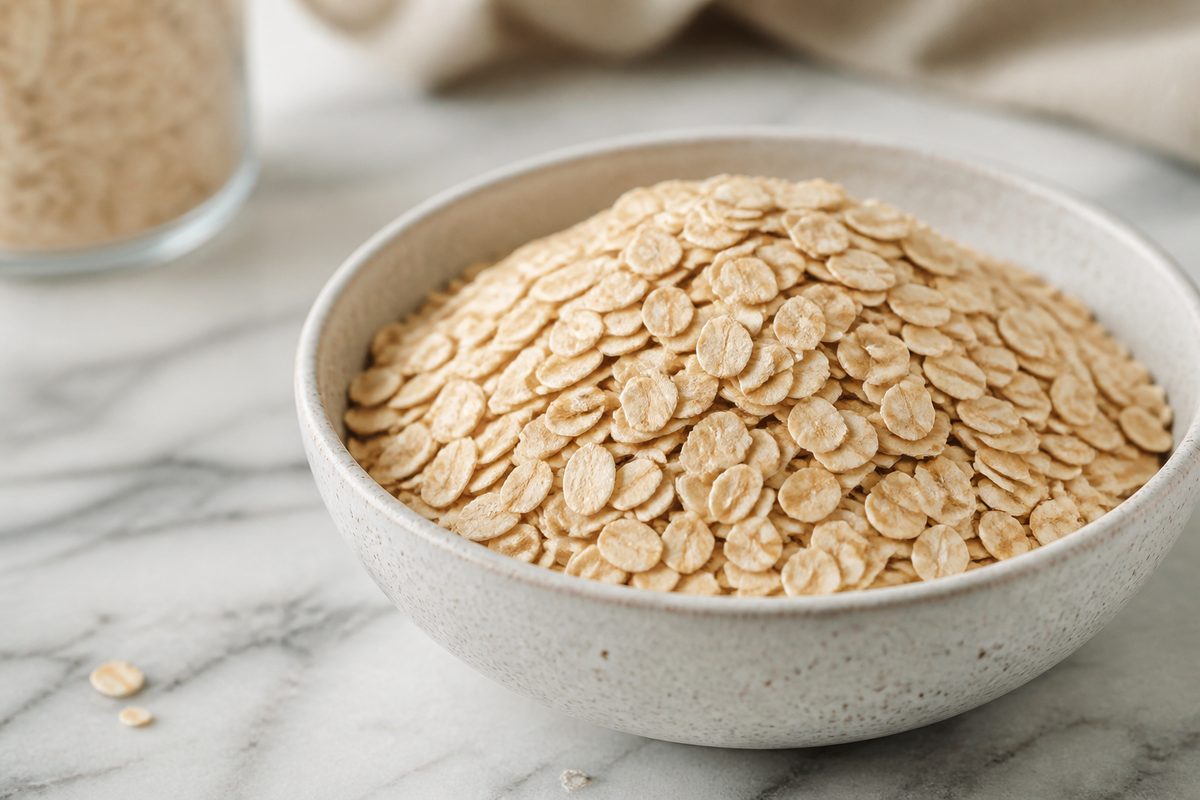
Yes — oats can sit with less nausea for some people. Among foods linked to nausea in Eat Smart Kiwi community data, oats rank #2 — and the direction is that oats help.
That is a strong community rank from about 300 diaries, not a cereal that treats morning sickness, a stomach bug, or chemotherapy nausea. There is no solid clinical trial showing that a bowl of oats settles nausea the way ginger or anti-nausea medicine can.
Why oats might help
The honest picture is: Eat Smart Kiwi users who log oats often report less nausea in the following hours, and the biochemistry story is still a guess. A warm, plain, low-fat bowl is a classic “something I can keep down” food — bland carbohydrate, not much smell, easy to eat in small spoonfuls. People also tend to reach for oats on a queasy day, so the diary may be capturing a recovery food as much as a treatment.
Soluble oat fibre (beta-glucan) is real, and it is not a nausea drug. In healthy adults, more viscous oat beta-glucan in a breakfast meal slowed gastric emptying and flattened the rise in blood glucose. That trial measured emptying and glycaemia, not queasiness — and it found no effect on appetite.[1]
Slower emptying is the wrong thing to sell as an anti-nausea mechanism. Delayed emptying is how gastroparesis makes people nauseated: food sits, the stomach feels overfull, and wind or reflux can follow. Some gastroparesis diet lists go easy on rolled or steel-cut oats for that reason. Instant, well-cooked oats in a small serve are a different texture from a large fibrous bowl. If a heavy porridge makes you feel worse, that fits emptying, not “oats always soothe.”
A 2023 coeliac paper is sometimes quoted as if oats protected people from nausea. It does not. Seventy-four treated patients ate wheat, barley, and/or rye for three days. Fourteen of them got vomiting or nausea. Those 14 were less likely to eat gluten-free oats regularly (64%) than the 60 who stayed settled (92%). That is an observational link in a gluten challenge — not a trial of porridge for a virus — and it is not the same as “64% of oat-eaters felt sick.”[2]
Oats, porridge, overnight oats, and oat milk are logged separately in Eat Smart Kiwi. A cooked bowl may be what you meant by oats; fruit, yoghurt, muesli, or a muffin that “has oats in it” is a different experiment. Porridge and gas is a separate pair.
True oat allergy is uncommon but real — vomiting, hives, or worse after oats is the opposite of soothing.[3] Ordinary oats can also be contaminated with wheat or barley; people with coeliac disease need certified gluten-free oats, not a supermarket bag as a nausea experiment.[2]
Who is most likely to notice a benefit
- People already using oats as a plain breakfast or recovery food — that is what the diaries measure.
- Anyone comparing an empty-stomach queasy morning with a few spoonfuls of cooked oats — food itself can help; that is not proof of a unique oat compound.
- People whose nausea is worse with fat or strong smells — a water-based bowl is a cleaner test than cream, cheese, or a fruit topping.
- People with slow stomach emptying — a large, chewy serve may sit too long; a tablespoon of well-cooked oats is a different test from steel-cut oats.[1]
- Coeliac disease — gluten-free oats only, and not as protection against eating gluten.[2]
- Known oat allergy — skip this pair.[3]
Oats are not a work-up for pregnancy nausea, migraine, medicines, gallbladder pain, or a bowel obstruction. Persistent, severe, or unexplained vomiting still needs a doctor.
What you can try
- Keep the bowl small and plain — a few spoonfuls of well-cooked oats with water, not a giant creamy serve.
- Cook them — soft porridge is easier to keep down than raw oats, granola, or overnight oats packed with fruit and seeds.
- Do not credit the oats if the bowl is mostly milk, banana, or sugar — those change the meal.
- If the smell puts you off, let it cool — that is comfort, not a fibre mechanism.
- Compare in your tracker — oats versus skipping breakfast, water versus milk, and cooked versus muesli, shows whether your pattern matches the community trend.
Eat Smart Kiwi community data
Among foods linked to nausea in Eat Smart Kiwi community data, oats rank #2 — and the direction is that oats help. Oats and nausea also ranks #77 among all food–symptom pairs tracked in the app — a lower mid-table overall rank, not a top pair across the whole food–symptom list.
The pattern is most often seen within about 8 hours of consuming oats, based on aggregated diary data from about 300 users. These are real-world logging patterns among people tracking food and how they feel; they are not a clinical trial and do not prove oats reduced nausea in every case — but they are the strongest evidence we have for this specific pair.
Why tracking helps you
A stomach bug, pregnancy, reflux, a hangover, and a medicine side-effect are not the same, and oats in a smoothie are not the same as plain porridge. Logging how you ate them next to nausea scores shows whether your pattern matches the community trend — and whether rest, fluids, or medicines are doing more of the work.
If you want to see whether oats or the rest of the meal is easing your nausea, try logging in the Eat Smart Kiwi food and symptom tracker.
Summary
Oats often sit with less nausea in Eat Smart Kiwi tracking, and they rank #2 among foods for that symptom. There is no good trial that eating oats treats nausea. Beta-glucan can slow stomach emptying in healthy people — that is a glucose story, not a reason to eat a large fibrous bowl when you feel sick. A small plain cooked serve, and your own diary, are practical next steps.
This article is for general information only and is not medical advice. See a doctor for severe, persistent, or unexplained nausea or vomiting, especially with dehydration, blood, severe pain, or pregnancy. Do not eat oats if you have a known oat allergy; if you have coeliac disease, use certified gluten-free oats only.